Men's Checked Shirts





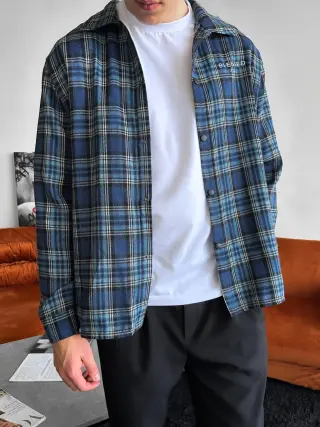

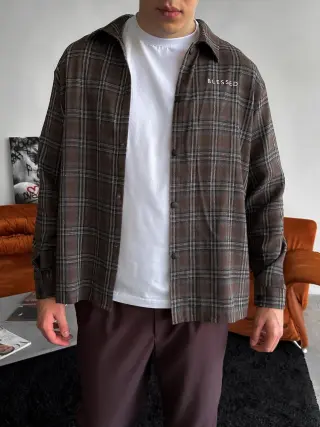
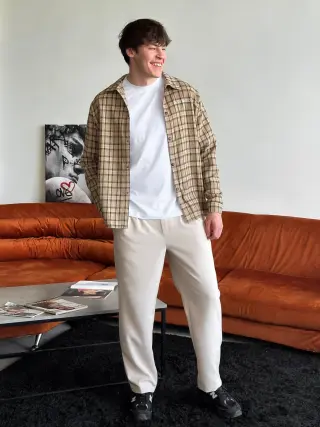
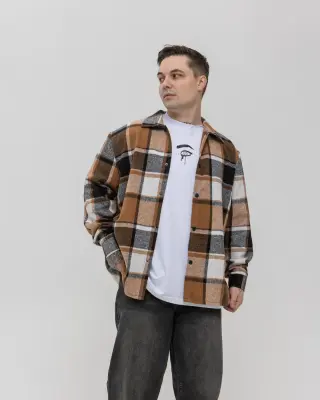








Men's checked shirt: how to choose the right pattern
A men's checked shirt looks more interesting than a plain one, yet it stays a simple item that is easy to wear every day. The real question is which pattern suits your build, your wardrobe and the places you will wear it. For fit and collars, see all men's shirts; below we look at the check itself.
Small, large, checkerboard: what the pattern changes
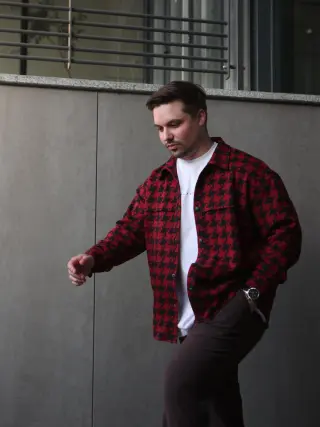
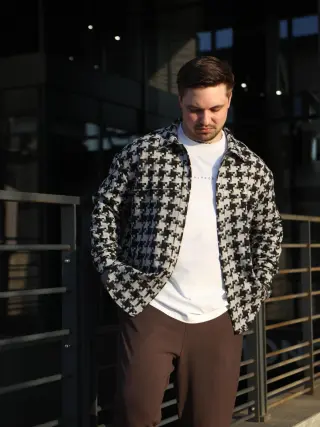
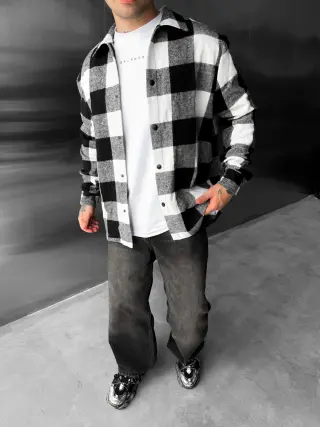
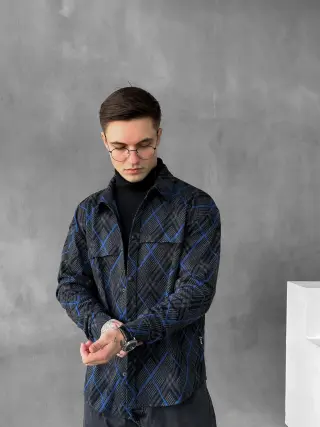
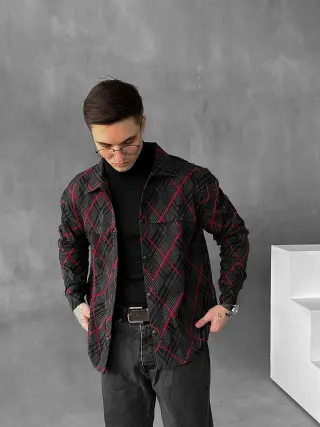
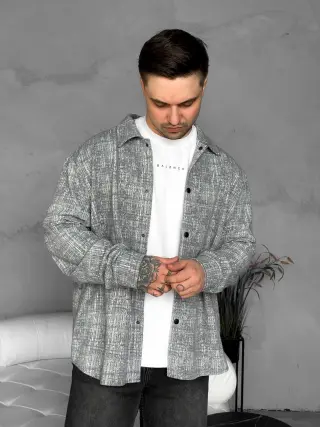
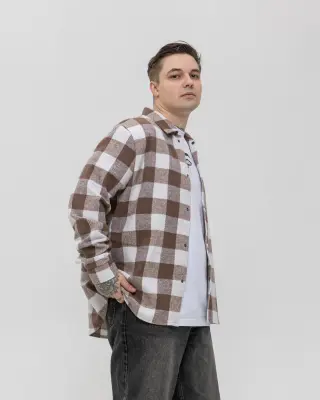
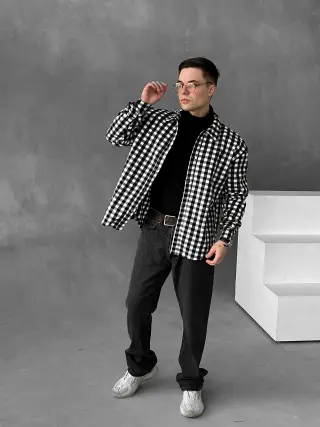
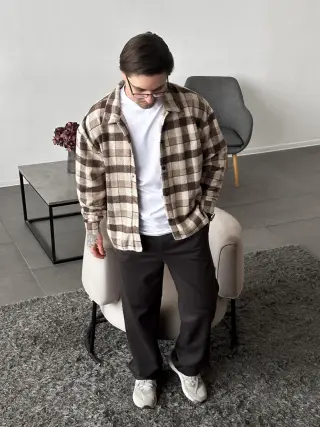
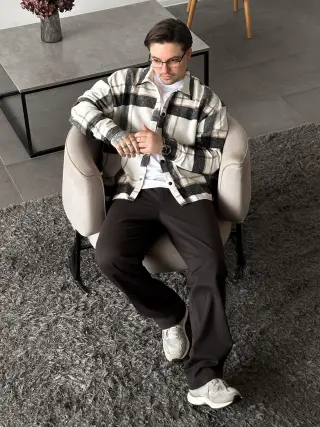
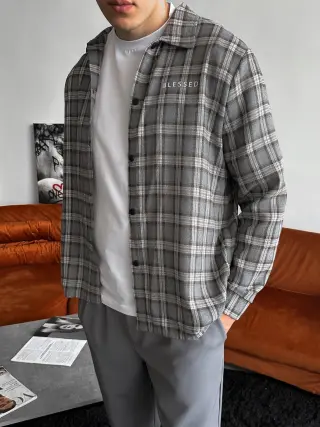
A small check blends into an even tone from a distance, so it looks calm: you can wear it to a job with no dress code or tuck it into chinos. A large check is visible from across the street and becomes the main item of the outfit, so it needs simple trousers with no details. A checkerboard has a clear, even rhythm and a slightly retro mood. A diagonal check looks livelier because the lines run at an angle. Houndstooth looks classic, while a mottled check that seems faded has a street feel and looks good with wide trousers.
Match the size of the pattern to your build. On a stocky man, a large contrasting check widens the body even more, so a small or medium one sits better. On a tall, slim man, a large check adds volume to the shoulders and chest, while a small one can make him look narrower.
Contrast and color
The greater the difference between the lines, the more the shirt stands out. A black and white check looks sharp and graphic, and it goes with black or gray trousers and dark shoes. Beige, gray and brown checks are softer and sit easily with jeans and chinos. Red and green add color, so keep the rest of the outfit neutral. If you are unsure about trousers, find the darkest line in the shirt: trousers in that tone almost always work.
What not to wear with a check
A checked shirt does not like other patterns nearby. The T-shirt under it should be plain, because a print or stripe will clash with the lines. The same goes for a scarf and a blazer: if you really want a second pattern, make it much smaller than the check. A dark plain coat works without trouble, but a jacket in the same color range blends with the shirt into one patch.
Buttoned up or over a T-shirt
A small check looks best buttoned and tucked in: it stays neat and suits meetings. A large one is easier to wear untucked or open over a white or black T-shirt. Roll the sleeves a few turns to the middle of the forearm, and the cuff will stay in place by itself. For the weekend, the simplest choice is straight jeans with boots or canvas shoes.
Light or warm: look at the fabric
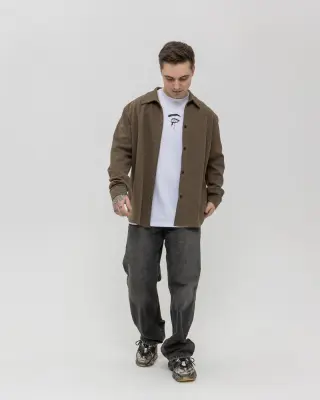
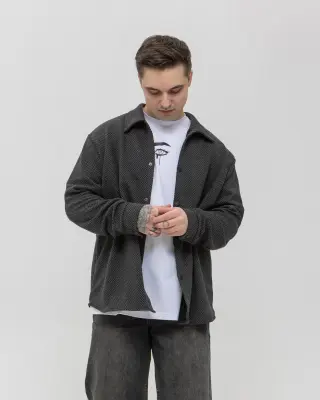
The pattern says nothing about warmth. Thin cotton breathes and suits spring and a cool summer. A soft flannel shirt feels warm to the touch and is worn under a jacket in autumn and winter. A heavy shirt jacket works as an outer layer in the transitional seasons and sits well over a T-shirt or hoodie.
What to check before buying
The lines should run straight. Button the shirt and look at the placket: the vertical lines of both halves stay parallel, and the horizontal ones do not jump up or down. Check the shoulders and the chest pocket, if there is one, because a skewed pattern shows most there. Wash a contrasting check inside out in cool water, separately from white, so that dark or red lines do not stain the light ones. The pattern hides small creases, so this shirt does not need careful ironing.
Frequently asked questions
Which check works for the office?
A small, calm one, such as gray with thin lines. From a distance it looks almost plain and does not clash with a blazer.
Can I wear a check with jeans?
Yes, it is the simplest pairing. Choose dark jeans without distressing for a contrasting check; lighter ones also work with a calm check.
Do people wear checked shirts in winter?
Yes, if the fabric is warm, such as flannel or brushed cotton. Wear it under a jacket with a T-shirt underneath.