Men's Shirts










Men's shirt: how to choose the fit, fabric and style
A men's shirt works equally well at the office, at a meeting and on the weekend, as long as you pick the right fit and fabric. Plain models are the base of a wardrobe, checks and textured fabrics suit everyday looks, and heavier shirts can replace a light outer layer. Start with where you will wear the shirt, then look at the cut, composition and details.
Slim-fit, relaxed or oversized
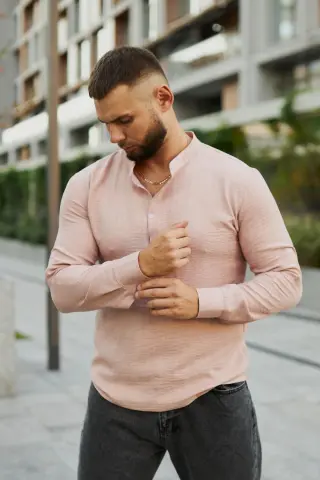
A slim-fit shirt follows the line of the body and looks good tucked in or under a blazer. It suits a slim or athletic build, but it does not forgive sizing mistakes: if the placket between the buttons gapes across the chest, you need a larger size. A relaxed-fit shirt has a straight silhouette and extra room through the body, and it is comfortable to wear untucked.
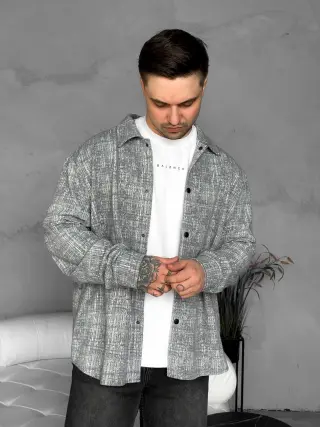
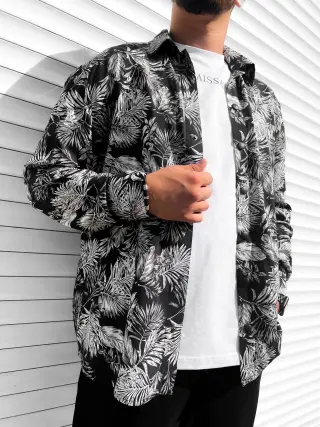
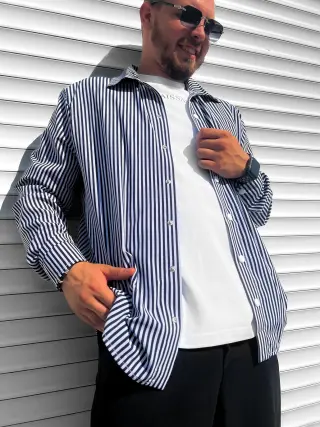
An oversized men's shirt is deliberately wider, with a dropped shoulder seam and extended sleeves. Do not size down to make it sit straight — that removes the whole idea of the cut. For a stocky build, it is better to choose a straight cut in a larger size than an oversized one.
Fabric and sleeve length
Cotton is the most versatile choice: it is breathable, soft against the skin and easy to wash. A small share of polyester reduces creasing and helps the shirt keep its shape. Viscose blends that imitate linen are light, drape nicely and have a linen-like texture, but they are not pure linen, so they need gentle care.
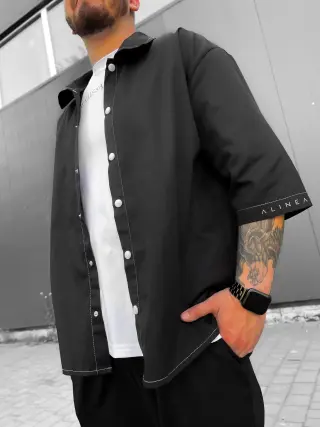
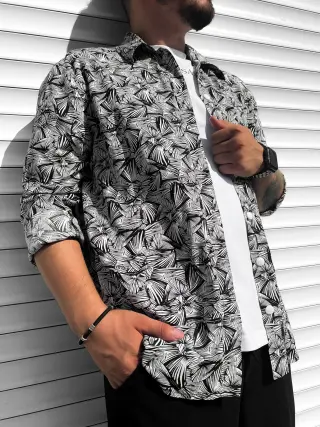
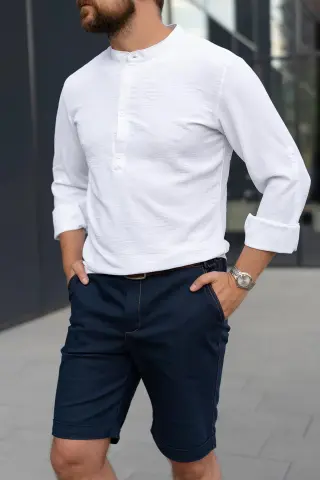
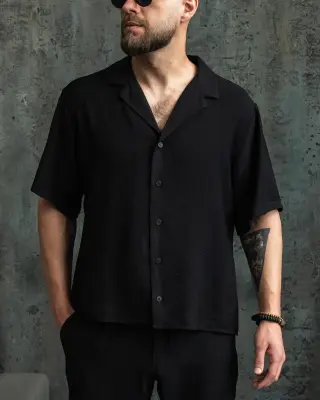
A men's flannel shirt and shirts made of brushed cotton have a soft, warm-feeling surface and are meant for the cool season. A long sleeve is the most versatile: it can be rolled up, and some models have button tabs to hold it in place. A short sleeve is for hot weather and leisure and is not worn with a blazer.
Shoulders, cuffs and collar
On a classic shirt, the shoulder seam sits at the edge of the shoulder; if it slides down the arm and the model is not oversized, the shirt is too big. A buttoned sleeve reaches the wrist bone. The cuff should not pinch or slide down onto the hand: two buttons or snaps let you adjust the width.
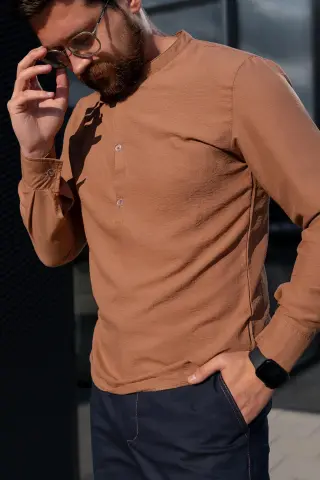
A spread or point collar is the classic, worn both with a tie and open. A band collar looks more modern, but it is not suitable for a strict dress code.
How to wear checks and a shirt jacket
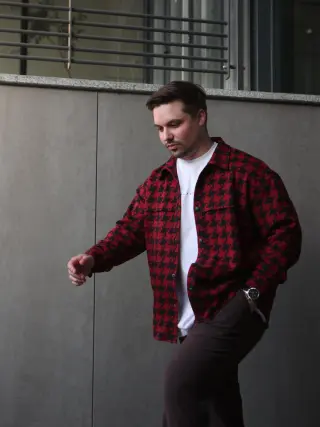
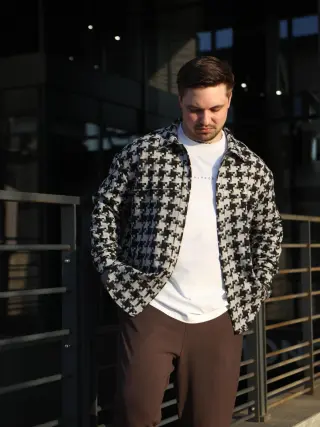
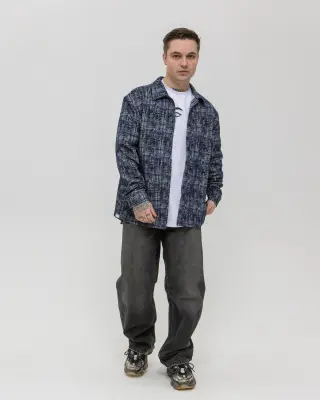
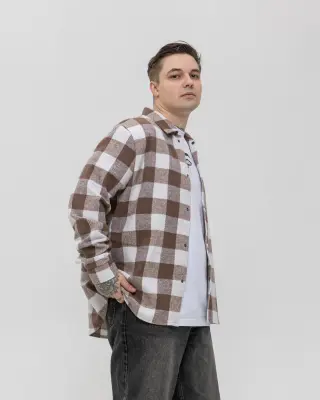
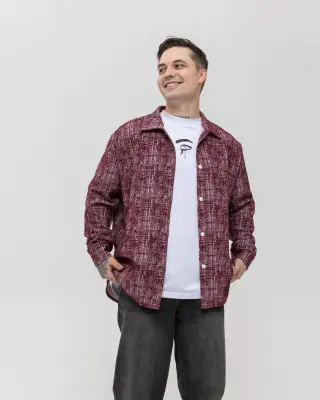
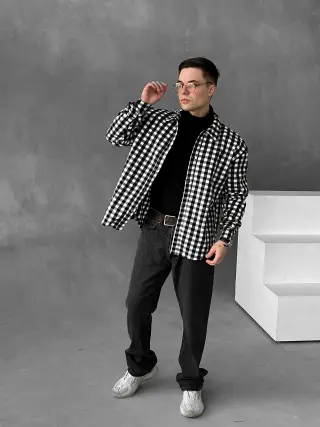
A men's checked shirt is an everyday classic. A small check is calmer and goes with chinos, while a large, contrasting one works better with plain jeans and a T-shirt. The rule is simple: one pattern per outfit, and the rest of the items in colors that appear in the check itself.
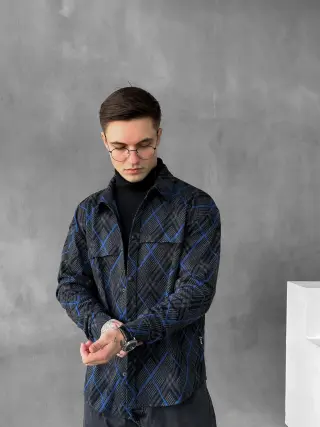
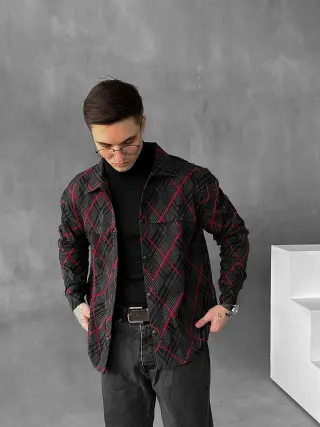
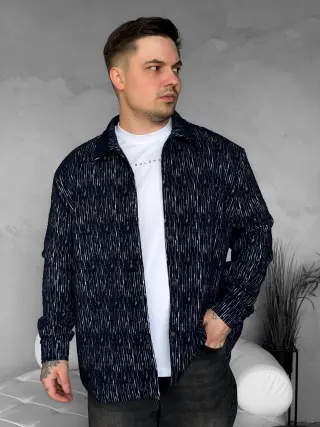
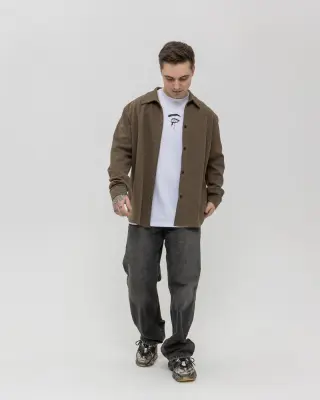
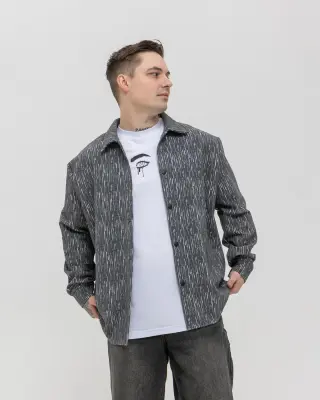
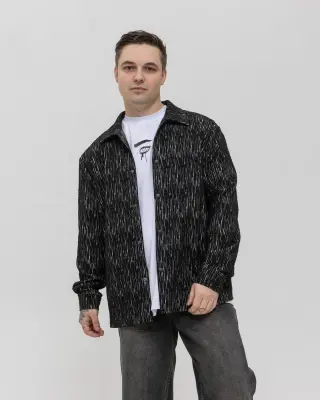
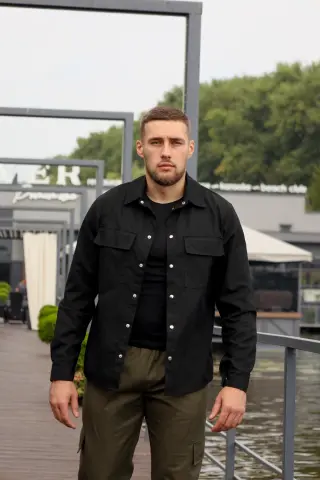
A men's shirt jacket is made of heavy fabric, often has chest pockets with flaps, and is worn open over a T-shirt or long sleeve in the transitional seasons. Choose the size with the layer underneath in mind so that your shoulder movement is not restricted.
For work, for the weekend and care
For the office, a white men's shirt or another light plain cotton model is a good choice, slim-fit or straight, with a spread collar. A black men's shirt is appropriate for evening events and understated looks. Calmer everyday colors are beige, gray and blue. For the weekend, choose checks, stripes, oversized, flannel or a short sleeve.
Before washing, fasten the buttons and turn the shirt inside out, and wash dark items separately. Flannel and viscose blends do not like hot water and intense spinning. Iron the shirt while it is slightly damp: first the collar and cuffs, then the sleeves, front panels and back.
Look for other everyday items in the T-shirts and shirts category, for the warm season take a look at men's polo shirts, and to wear under a shirt jacket — at basic T-shirts, oversized T-shirts or long-sleeve tops.
Frequently asked questions
Can a men's shirt be worn untucked?
Yes, if the hem is straight and covers the waistband of your trousers. Oversized and flannel models and short-sleeve shirts are designed to be worn untucked. Slim-fit shirts with a long curved hem are better tucked in.
Does a cotton shirt shrink after washing?
Cotton can shrink slightly from hot water and tumble drying. Blends with polyester hold their size more consistently. Follow the care label and dry the shirt on a hanger.
Which shirt should I choose for spring and autumn?
A flannel one, one made of brushed cotton, or a shirt jacket made of heavy fabric. They feel warm to the touch and can replace a light jacket in the transitional seasons.