Wrap Dresses
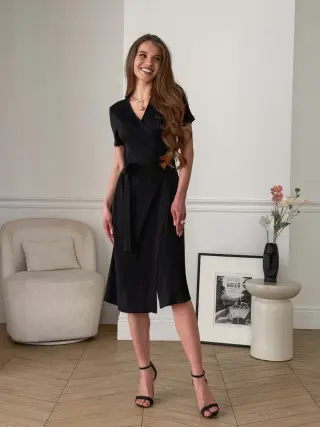
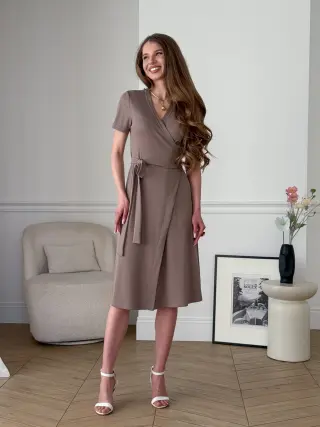
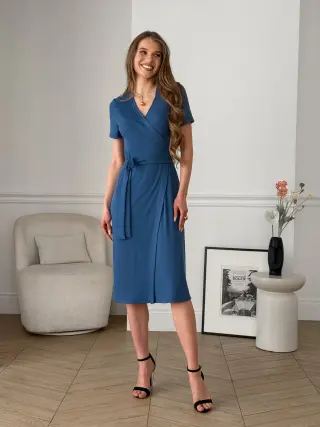
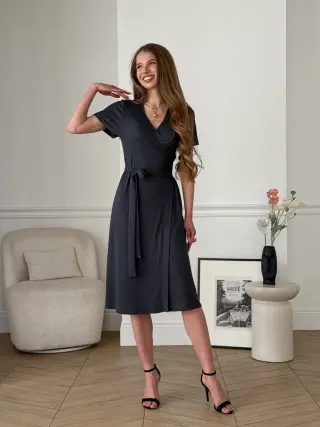
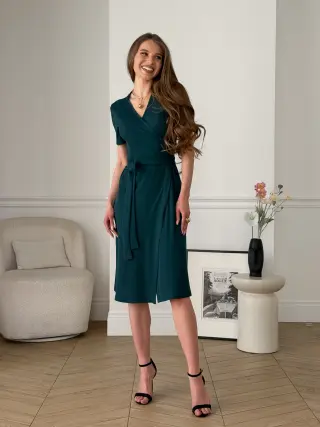
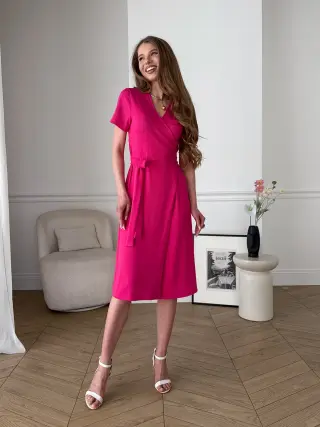
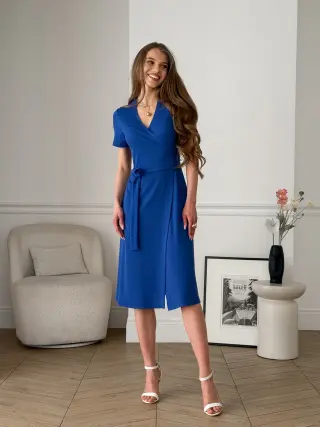
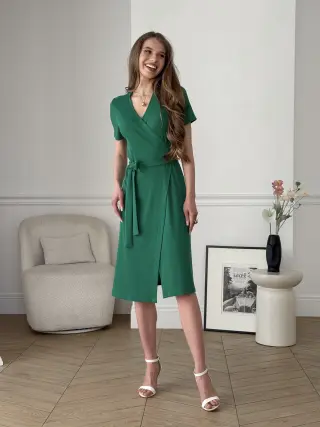
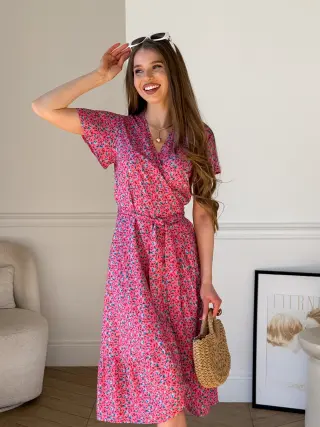
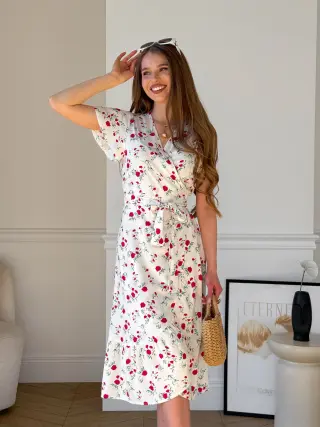
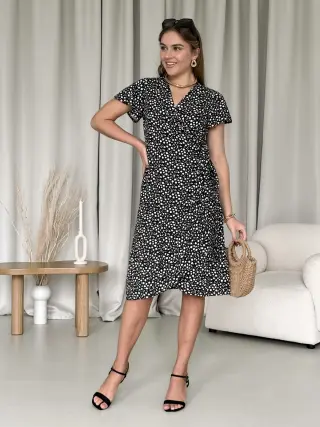
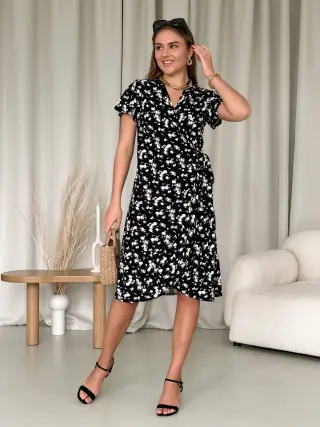






Wrap Dress: Who It Suits and How to Choose One
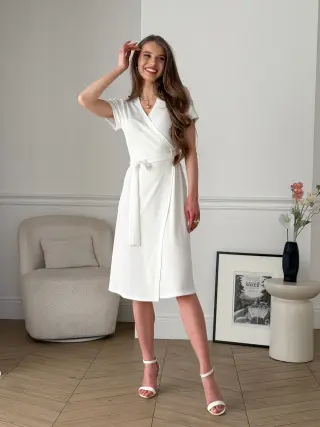
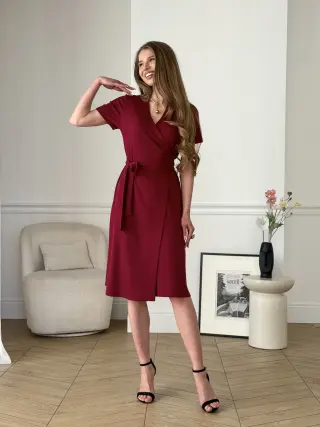
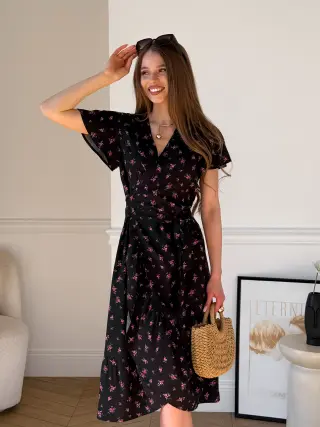
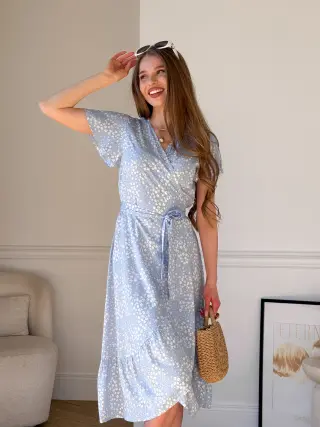
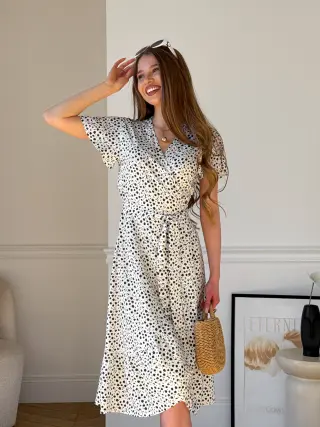
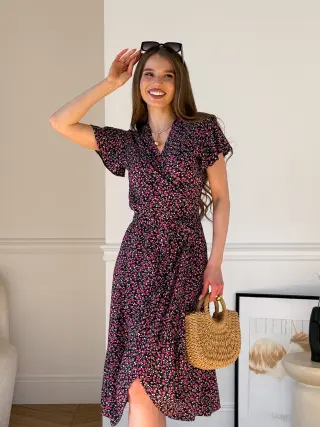
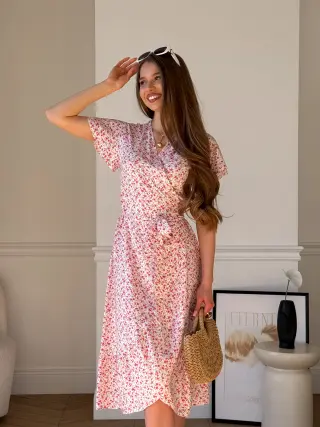
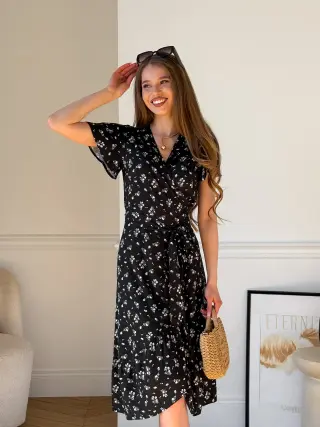
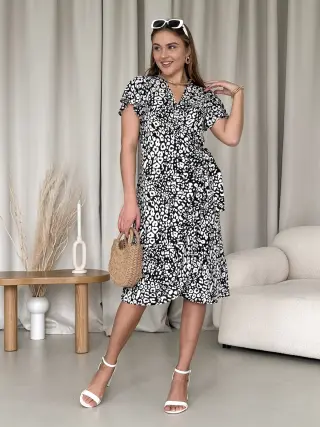
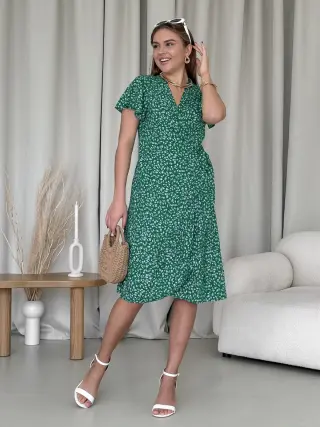
A wrap dress needs no buttons or zippers: one panel overlaps the other, and a tie belt secures them at the waist. This means you can adjust the fit each time: snugger or looser, with a deeper or more modest neckline. This style is chosen by those who find it hard to get a ready-made dress that fits well at the bust, waist, and hips at the same time. Below we cover who a wrap dress really suits, how to check the fit, and which fabric to pick.
Who Wrap Dresses Suit
A wrap dress works best for women who have a waist that gets lost in straight dresses: the diagonal of the panels and the belt restore proportion to the silhouette. On an hourglass figure, the dress simply emphasizes the shape. It also works well for a pear shape: the top draws attention to the shoulders and neckline, while the flared skirt does not cling to the hips.
If volume is concentrated around the stomach, it is better to fasten the tie slightly above the natural waistline and not pull the belt tight: the V-neckline itself elongates the silhouette vertically. A V-neckline also helps petite women, as it visually lengthens the neck and torso.
Think twice if you do not like a open neckline, or if you spend most of the day sitting. In the first case, a thin top or tank under the dress will help. In the second, look for a style with deeper overlap of the panels.
How a Wrap Dress Fits and What to Check When Trying It On
The main complaint about these dresses is that the panel can come open. So when trying one on, do not just stand straight in front of the mirror: sit down, cross your legs, bend over, raise your arms. If the neckline opens more than you are comfortable with, wrap the dress deeper or secure the panels from the inside with a discreet pin or a sewn-on snap.
A tie belt made from the same fabric is usually tied in a knot at the side. Do not pull the belt tight to the limit: the fabric bunches into folds, and the dress starts pulling across the bust. The fit is right when the belt holds its shape and your fingers can slide under it easily.
Also pay attention to the hem. In the Merlini Zocca model, the skirt is flared with a diagonal edge. Your stride is free, but in windy weather the panel can fly open.
Which Fabric to Choose: Viscose or Ribbed Knit
The fabric determines how the wrap behaves. Light fabric drapes in soft folds and hides what you want to hide. Stretchy fabric keeps the neckline in place.
| Fabric | How the wrap behaves | When to wear |
|---|---|---|
| Viscose | Drapes softly, does not cling, floral print masks creases | Hot weather, vacation, summer in the city |
| Ribbed knit | Stretches and recovers its shape, neckline gapes less, but the body's contours show | Summer with short sleeves, warm spring and autumn |
If you want the dress to stay put all day without adjusting, choose ribbed knit. If it matters more that the fabric does not cling to the stomach and hips, choose viscose. If a wrap is not for you, look at other styles among all women's dresses.
Frequently Asked Questions
Can I wear a wrap dress to the office?
Yes, if the neckline is shallow and the fabric is a solid color. The most restrained look is ribbed knit in a dark or neutral color with a blazer or cardigan. Floral viscose is better saved for a casual dress code.
How much does a wrap dress cost?
Prices range from 1 199 to 1 199 UAH. The cost depends primarily on the fabric and cut.
How do I wash a wrap dress so it does not lose its shape?
Untie the belt before washing, because the knot leaves creases in the fabric and stretches it. Wash the belt together with the dress so they do not differ in shade. Dry the dress laid flat, without hanging it by the tie.