Women's Fleece Neck Gaiters
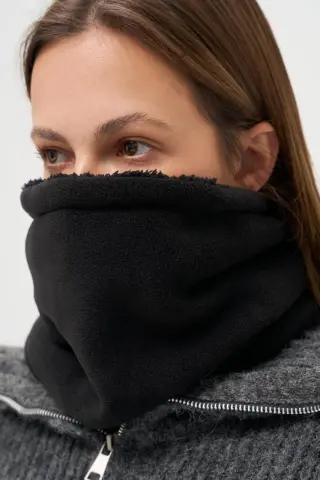
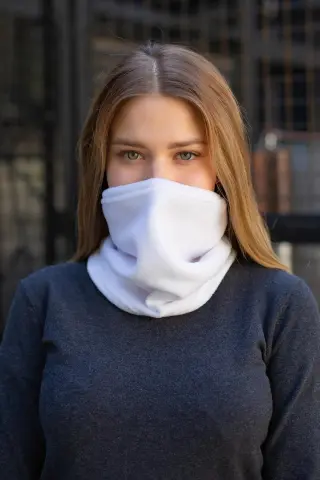

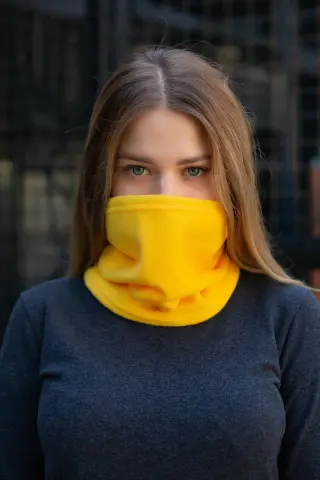
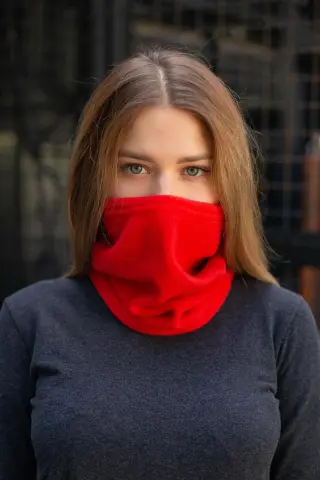
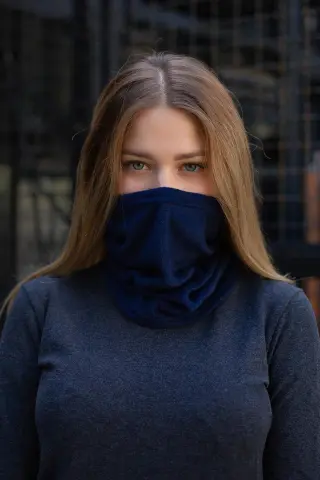
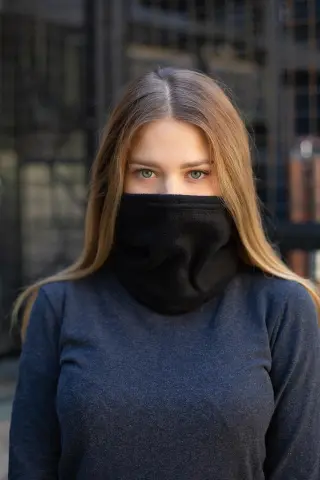
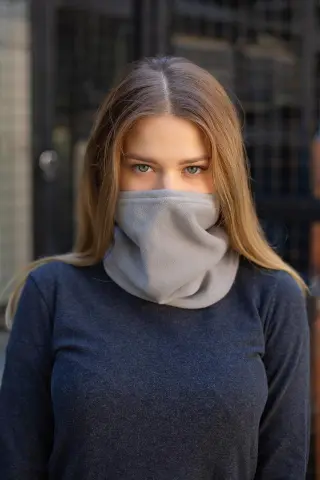
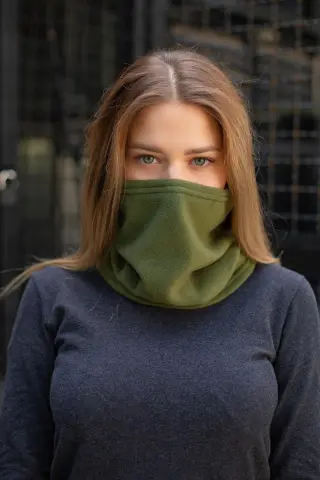






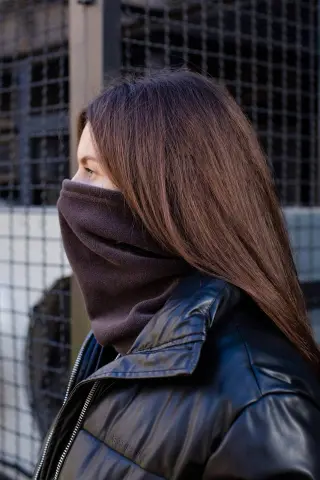






Women's Fleece Neck Gaiter: What This Fabric Gives You
A women's fleece neck gaiter warms through its pile: air stays between the fibers and holds heat at the neck. Fleece is soft, does not itch even under the chin, where skin is most sensitive, and weighs so little that the piece slips easily into a jacket pocket. Fabrics are worth comparing, so look at all women's gaiters and the full list of gaiters, balaclavas and bandanas.
Why Fleece Is Easier Than Knit
A knitted scarf soaks up moisture from snow and breath, gets heavy and dries slowly. Fleece dries fast after snow or washing, so a gaiter washed in the evening is ready by morning. It needs no complicated care, does not unravel if it catches on a jacket zipper, and stretches well, so it sits pleasantly on the skin. For daily walks, skiing and the commute it is a very practical fabric.
What Fleece Cannot Do
Fleece does not protect from rain: wet snow gradually soaks the pile, though it dries faster than knit. The fabric can make hair static, especially dry and long hair, so tie it up or tuck it under the collar before going out. Rubbing against a fastener or hook-and-loop tape leaves small pills on the surface, but a fabric shaver removes them easily. And fleece dislikes heat: do not dry a gaiter on a radiator or keep it near a campfire, because the pile hardens.
Elastic and Fit
An elastic with a toggle makes the fit more exact: it adjusts the width, so you can tighten the piece in strong wind and loosen it in the city. Tighten it enough to keep air out while the neck stays free. If the parameters list 26 cm in length and 29 cm in width, that is enough to cover the neck and lift the edge over the nose when needed. Before your first outing, check that the toggle does not press on the skin where it meets the collar.
When to Take a Gaiter with Fur
Regular fleece works well down to moderate frost. For hard cold and long outings there is another option: fleece outside and fur inside. It is noticeably warmer but takes more room under the collar, so try it on with your jacket. In the city such a gaiter is often too warm, as public transport and shops heat you up quickly, so it is simpler to have a thinner one as well.
Color for Winter
Black and grey show fewer collar marks and go with any top. White looks striking against dark clothes, though its pile darkens sooner from rubbing. Beige sits softly next to brown and milky items, and yellow or red brings a solid jacket to life. Styles with a small lettering detail look sportier than completely plain ones.
Care
Wash a fleece gaiter at up to 30°C without spinning or bleach, and hang it to dry without a tumble dryer. Softener is unnecessary here: it glues the pile together, and the fabric holds warmth less well. Before washing, keep the gaiter away from towels, because they leave lint on fleece, and it shows at once on dark colors.
Frequently Asked Questions
Does a fleece gaiter keep you warm in hard frost?
It covers the neck well, but for a long outing in hard frost a style with fur inside is better.
Can it be worn in spring?
Yes, on cool and windy days, especially on a walk or a bike. In warm weather you no longer need it.
Why do pills appear on fleece?
From rubbing against a collar, bag strap and fasteners. It is not a fabric defect: a fabric shaver trims them neatly.