What a winter capsule is and where to start
A winter capsule is a small set of pieces in which each item goes with at least two or three others. The same sweater works under a blazer at the office, under a jacket on a walk and with jeans on the weekend. Thanks to this, in the morning you are not standing in front of a full closet with nothing to wear, but putting together an outfit from proven combinations.
Start with outerwear. In winter, the jacket is what people see most often, so it sets the color and style of the whole capsule. A black model, for example, sits just as easily over a sweater, a hoodie or a suit, and you will not have to pick the rest of your pieces to match it separately.
Next, it is worth taking an honest look at how your usual winter day goes:
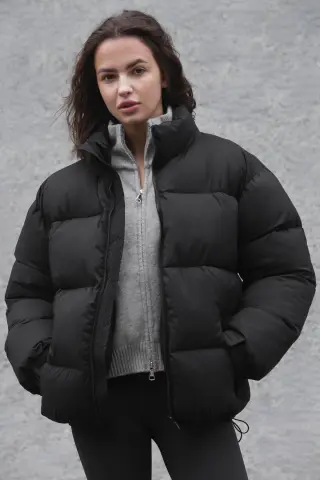
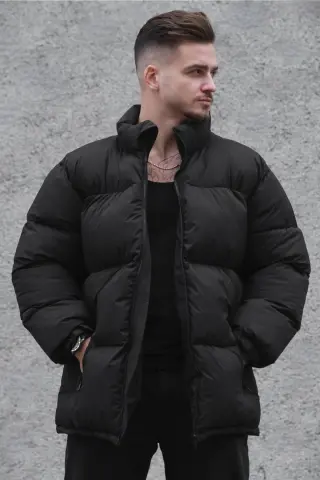
- A short quilted puffer is convenient if you travel a lot by car or public transport and get around the city quickly. The men's model has a roomy silhouette and a high collar that covers the neck. The women's model has no hood, so it looks cleaner, and the collar is easy to complement with a scarf.
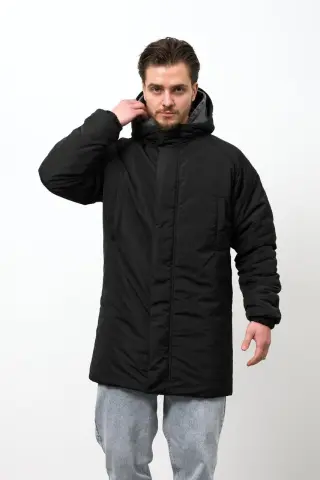
- A longer parka is right when you wait a long time at bus stops, walk with a child or a dog, or go places on foot. It covers the hips, and the Hollosoft insulation with fleece inside keeps the warmth in. The men's model has a hood and a membrane that protects against snow and rain.
You can compare both options, as well as other models, among the women's winter jackets.
To keep the capsule from growing out of hand, stick to a simple guideline:
- 1-2 outer pieces;
- 3-4 tops: sweaters, turtlenecks, hoodies;
- 2-3 bottoms or winter suits;
- 1-2 accessories: a hat, a scarf.
That comes to roughly 10-15 pieces, and it is enough for work, walks and weekends without repeating the same outfit every day.
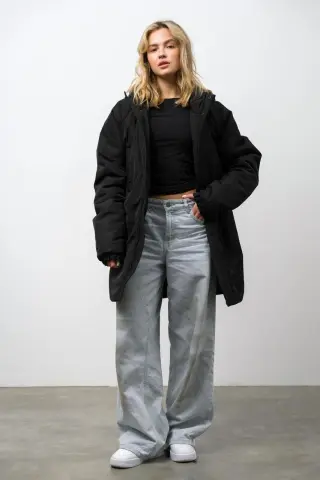
Colors: one base, one or two supporting tones
A capsule works as long as the pieces go together, and that is first of all a question of palette. The simplest scheme: one dark base color, one or two neutral supporting tones and one warm accent. For example, black as the base, grey and beige as support, and chocolate as an accent that brings the outfit to life.
The main rule of the palette: every top should go with every bottom. It is easy to check. Lay out all your tops on the bed and, separately, all your pants and skirts. If there is a pair you would not wear together, one of those pieces drops out of the capsule or needs replacing.
What helps you stick to this rule:
- Solid-color pieces without prints. You do not need to match them by pattern, only by color, so you get more combinations.
- Texture instead of pattern. Rib, angora or a dense knit add variety to an outfit without breaking the palette.
- An accent in a single piece. A chocolate sweater or hat looks right when the rest of the outfit is calm.
A black oversized turtleneck sweater shows well how the base works: it is not fitted and has no print, so it goes with beige wide-leg pants, grey ones and jeans alike. If you are choosing women's sweaters and turtlenecks for a capsule, start with solid-color models in your base color.
It is also worth thinking separately about a suit made from a single fabric. It gives you a ready-made outfit right away: the top and bottom already go together, so there is no need to think in the morning. And then the suit breaks down into separate pieces. A beige ribbed fleece-lined long-sleeve top will go under a black sweater or a jacket, and the wide-leg pants with an elastic waistband from an angora suit can be worn with a black top. That way one set covers three or four outfits, and you may not even need another pair of warm pants in your capsule.
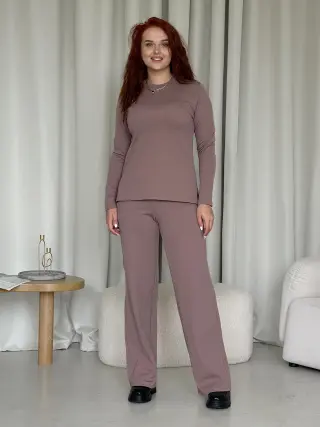

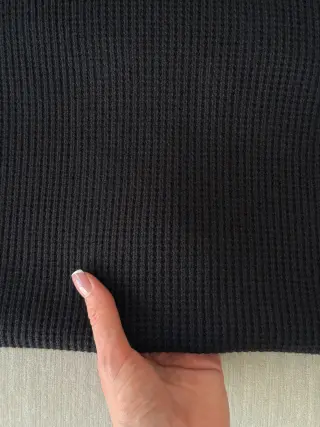
Capsule example for a woman
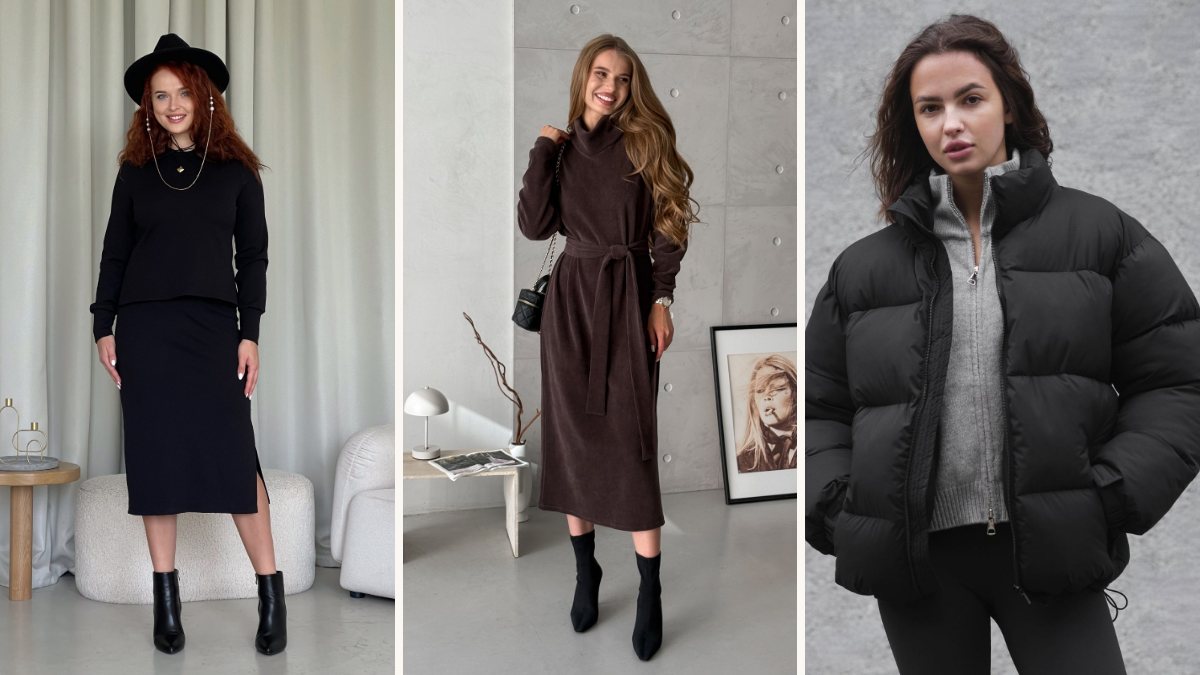
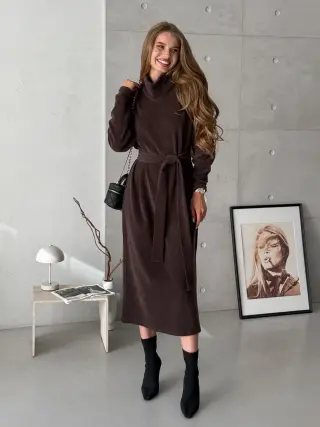
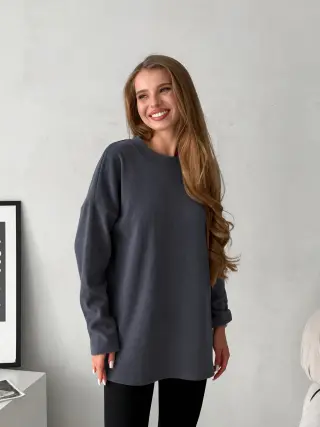
Let's take a base of five pieces: a longer parka or puffer, an oversized sweater, wide-leg fleece pants, a warm suit with a skirt and a wool dress with a high neck. Most of the pieces here are black, while the sweater and the dress add dark grey and chocolate. These calm colors combine easily with one another without much deliberation.
What each piece brings:
- The ribbed fleece-lined suit consists of a top that does not cling and a skirt with a side slit. You can wear them together or separately.
- The long wool dress with a belt, 120 cm in length, keeps you as warm as a sweater. The high collar covers the neck, so you do not need a scarf under your outerwear, and the sleeves taper at the wrist and do not slide down.
- A dark grey oversized sweater in a fine knit with no print. Under a coat or a blazer, it does not add extra bulk.
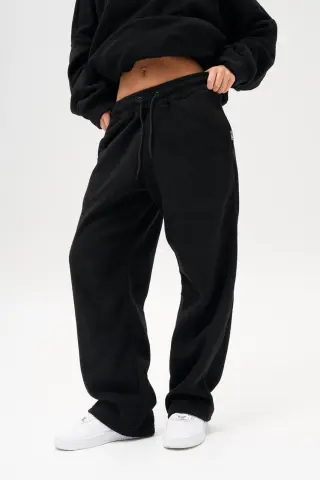
- Wide-leg fleece pants with a drawstring waist and two slanted front pockets keep you warm without thermal underwear.
Now the outfits for the week:
- Office: the suit with a skirt one day, the dress with a belt another. If the office is chilly, drape the sweater over your shoulders or wear it instead of the suit top.
- Walk: wide-leg pants, a sweater and the parka. The long parka covers the hips, and the pants are loose, so a layer of air stays under them.
- Weekend: sweatpants with a sweater or a sweater with jeans. The same top that was at the office yesterday now looks cozy.
- Dinner or a date: the suit with a skirt works here too, you just need to change the shoes and the bag.
As you can see, the sweater works in three scenarios and the suit in two, and it also breaks down into separate pieces. If you want a second dress for variety, take a look at winter dresses in the same calm shades so that they go under your parka just as well.
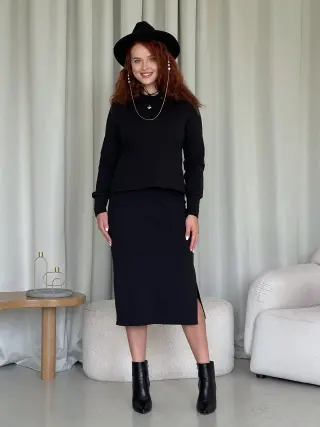
Capsule example for a man
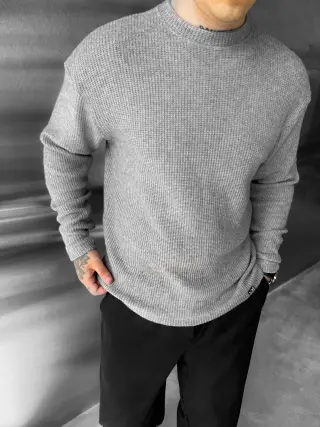
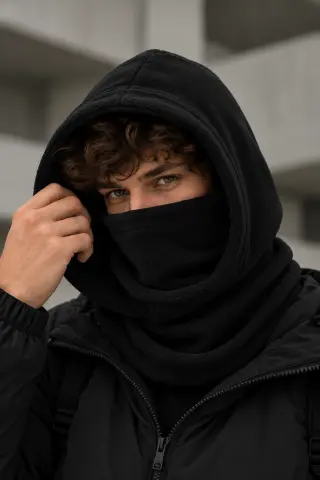
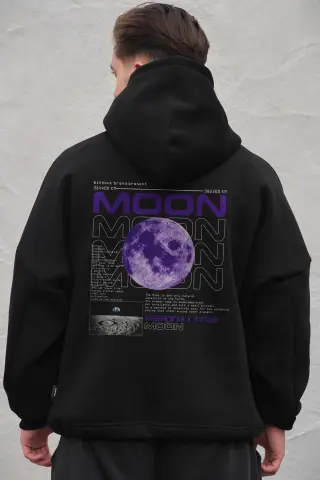
Five pieces are enough for a men's winter capsule. The base: a black puffer or parka. Add a grey knit sweater, a black fleece-lined turtleneck, a black oversized fleece-lined hoodie and a fleece balaclava hood with a neck gaiter. Everything is in a black and grey palette, so any piece goes with any other.
How the layers work
- For work: a turtleneck under a sweater. The turtleneck's high collar covers the neck, and the fitted cut does not add bulk under the knit. In a warm office, you can take off the sweater and stay in the turtleneck.
- For the weekend: a hoodie under a puffer. The brushed-fleece hoodie keeps you warm, the front pockets are handy for your hands and phone, and the hood can be worn over the jacket collar.
- On a windy day: a balaclava hood instead of a scarf and a hat. It covers the head and neck with a single item, so nothing shifts or lets the wind through.
How many outfits you get
Count the options for what goes under the jacket: a sweater, a turtleneck, a hoodie, a turtleneck with a sweater, a turtleneck under a hoodie. That is five combinations. Each can be worn with or without the balaclava hood, which makes ten outfits with one jacket. Add two options for the bottom, for example jeans and warm pants, and you get twenty combinations from seven pieces. If you later want more variety in your tops, look for new sweaters and turtlenecks in the same colors so you do not break the system.
What about the bottoms
Keep jeans and warm pants in the same dark range: black, graphite, navy. Then any top from the capsule will work without a second thought. Light or bright pants will force you to pick a top separately, and the number of working combinations will drop at once.
Accents come from prints: the hoodie and the balaclava hood already have them, so it is better to leave the rest of the pieces solid-colored.

How to count outfits and which mistakes to avoid
To understand whether a capsule works, you do not need spreadsheets. A simple count is enough: multiply the number of tops by the number of bottoms. Four sweaters and tops with three pairs of pants or jeans already give 12 combinations. Add dresses and suits to those: each such set counts as a ready-made outfit. And then come the layered variations: the same shirt on its own, under a sweater and under a blazer looks like three different pieces.
If after counting you have fewer outfits than days in your week, the capsule lacks not new pieces but connections between the ones you already have.
A set most often falls apart because of these mistakes:
- A piece without a pair. A skirt that goes with only one blouse takes up space but adds almost no outfits.
- Too many accents. Two bright colors or prints are still easy to combine in a capsule, but five argue with each other and with the jacket.
- Forgetting the outerwear and the layer under it. A good outfit does not work if the sweater does not fit under the sleeve or shows from under the jacket. Try on winter jackets with exactly what you will wear under them, and for the weekend keep one warm fleece-lined hoodie that goes under any model.
- A capsule for an imaginary life. If you are in the office five days a week and only walk on Sunday, three sportswear sets and one blazer will not be enough for the workdays.
Before every purchase, ask yourself three questions:
- Which three pieces from the capsule will I pair this with?
- Where exactly will I wear this this week?
- Does this piece keep me warm on its own, or does it need another layer, and do I have it?
If you do not have a clear answer to at least one question, it is better to put the piece aside. That way the capsule stays small, and the number of outfits in it grows.