Women's Warm Plus Size Pants
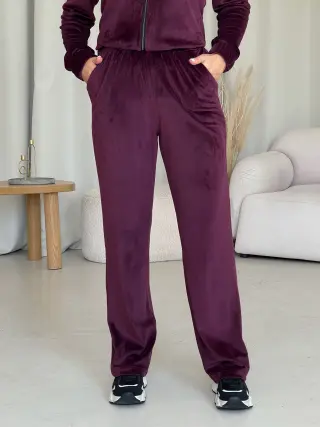
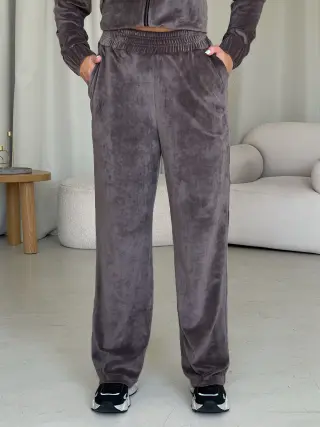
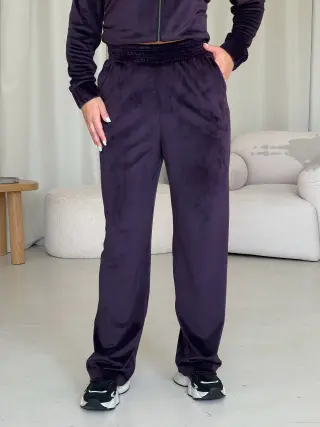
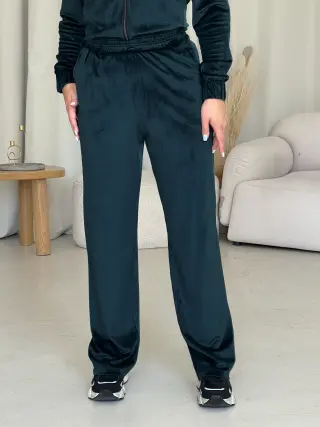
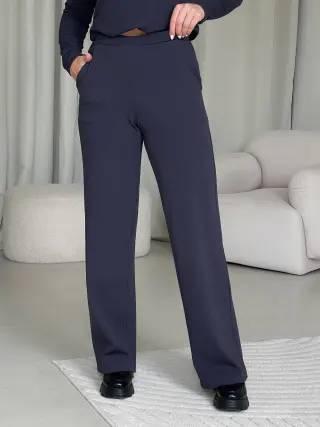
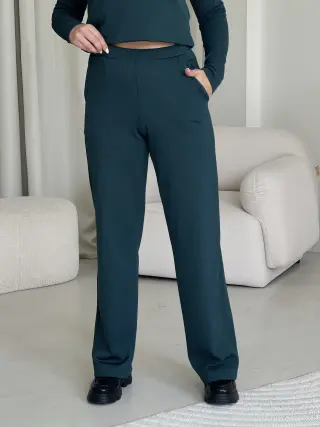
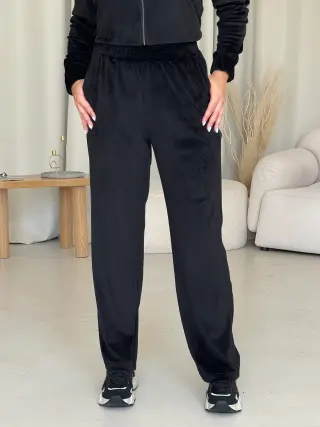
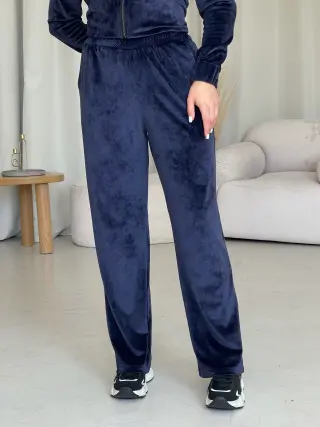
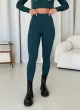
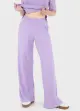

Women's Warm Plus Size Pants: How to Choose by Measurements
Women's warm plus size pants should sit freely on the hips, not dig into the stomach when you sit down and not bunch up behind the knee. Dense fabric and lining take up some of the room inside, so measurements matter more in winter than in summer. Take them with a measuring tape and then check them against the model's measurements. General fabric tips can be found among all women's warm pants.
Which Measurements to Take
The key one is the hip measurement: measure standing, at the widest point, without pulling the tape and over thin clothes. The waist is less critical because an elastic waistband stretches, but it should not cut in when you move. The third number is length: measure from the waistband to the floor in the shoes you will wear with these pants. If your hips are noticeably wider than your waist, go by the hips.
Double Labels and the Usual Size Range
Elastic-waist pants are often cut for double labels: 2XL/3XL corresponds to 50–52, and 4XL/5XL corresponds to 54–56. At the largest label, the hip measurement reaches 130 cm. Within that span the pants sit a little looser or closer to the body, and both look fine. The usual range up to 4XL works differently: each letter there means one size. Compare centimeters rather than letters, because the same letter fits differently in different cuts.
What Each Style Does for the Figure
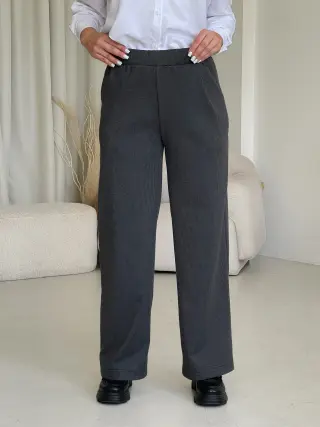
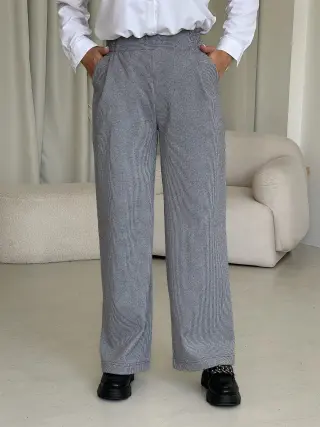
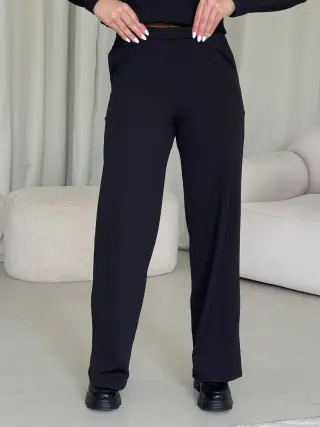
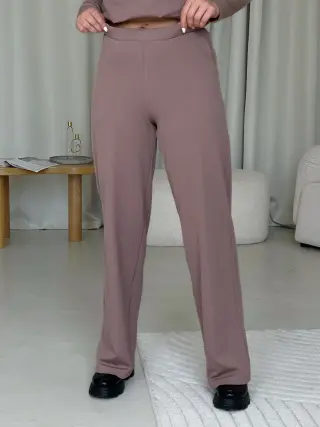
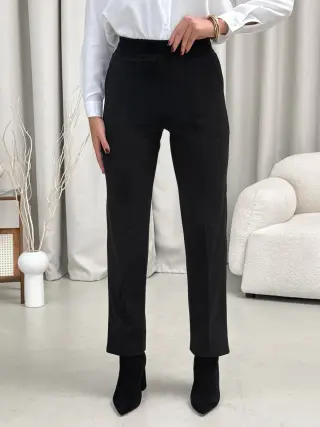
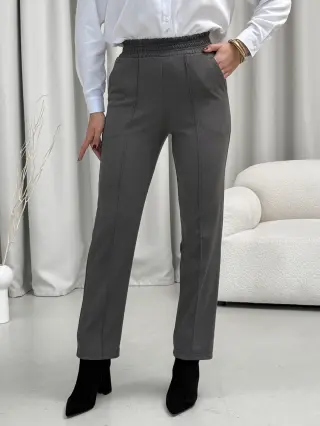
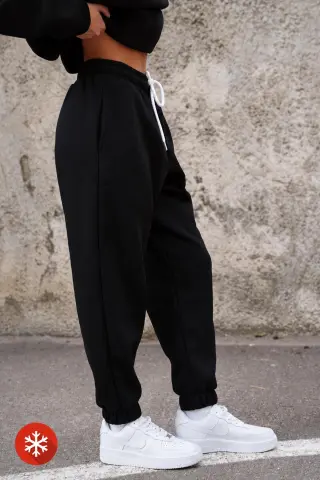
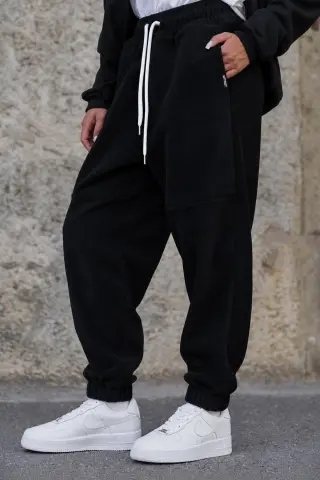
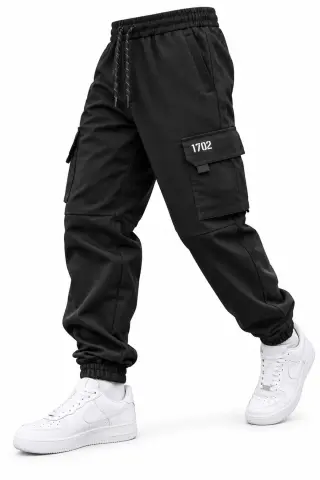
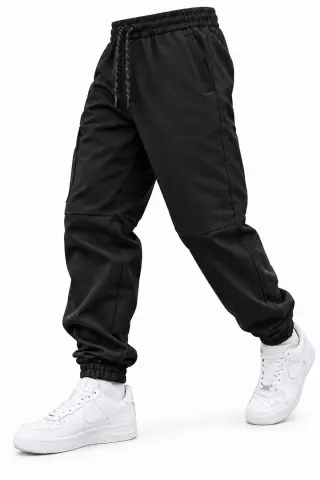
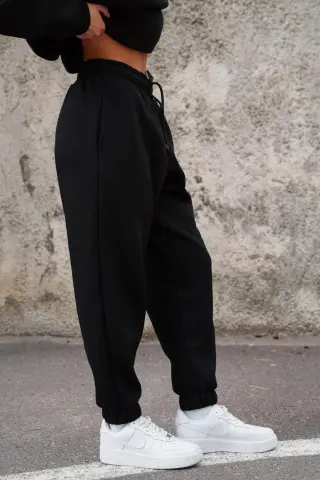
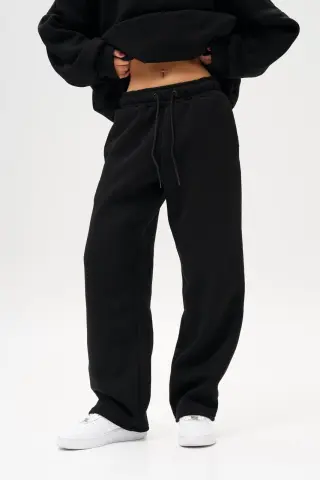
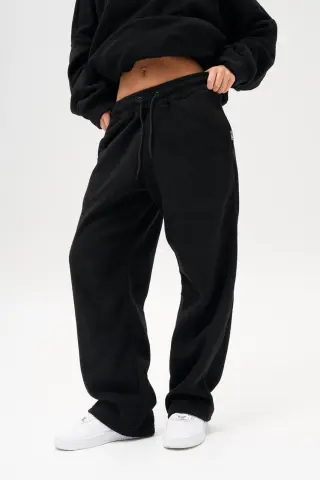
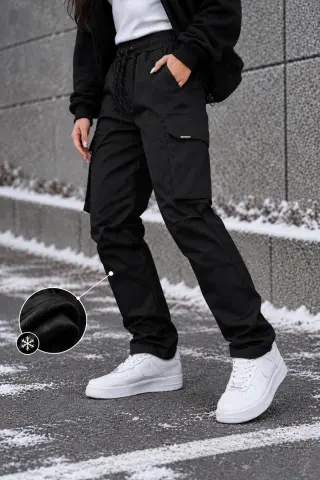
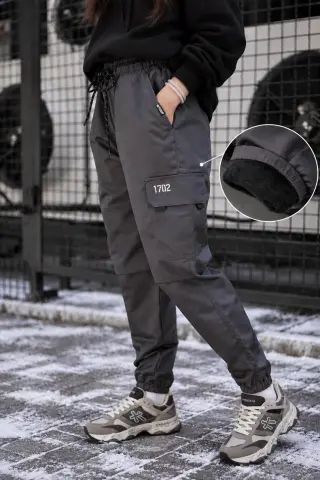
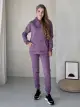
Palazzo pants run in a straight line from the hip, so they smooth the difference between waist and hips and make the legs look longer. A straight, wide cut works in a similar but calmer way. Joggers gather at the cuffs, so they show the ankle and make the lower leg look lighter, but they need some room at the hips. Cargos have patch pockets, which add volume at the sides: if you do not want to draw attention there, choose a smoother style.
Fabric That Does Not Cling
Dense fabric lies flat and does not follow every fold. Cashmere has little stretch, so it holds a clear silhouette, but the hip measurement needs extra care. Velour is soft and stretches well, so it is comfortable for sitting and walking all day. Fleece-lined pants are the warmest, but the lining takes up some room inside, so extra space at the hips is especially useful here. Still, do not take a size much larger than yours, because spare fabric gathers under the waistband and adds volume where you want less of it.
A Waistband That Stays Out of the Way
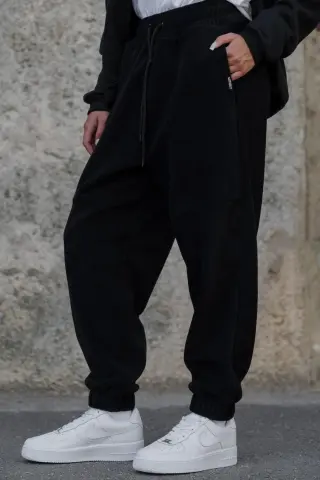
The elastic should lie flat and not roll when you sit down. When trying them on, sit on a chair and take a few steps: if the waistband slips or cuts in, try another size. A drawstring waist is handy when your hips are wider than your waist: choose the size by the hips, and the drawstring takes up the extra at the waist.
What to Wear Them With
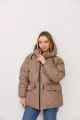
A loose lower half goes well with a top that shows the narrowest part of the figure. Often that is the waist, so a thin tucked-in sweater, a turtleneck or a short jacket works well. If you prefer not to highlight the waist, add a long cardigan or a straight coat: the vertical line lengthens the silhouette. Try a puffer jacket on with the pants, because it also needs room at the hips.
Frequently Asked Questions
My measurements are between two sizes: which should I pick?
The one that is larger at the hips. Elastic or a drawstring will take up the extra at the waist, while tight hips cannot be fixed.
Will the pants shrink in the wash?
To avoid it, wash at 30°C and do not use a tumble dryer. Hot water and strong heat most often shorten cotton fabrics.
Can the pants be shortened?
Yes, a tailor can easily hem a wide leg. Joggers with cuffs are better bought in your length from the start, because the cuffs would have to be resewn.