Touchscreen Gloves





Touchscreen Gloves: How They Work and What to Check
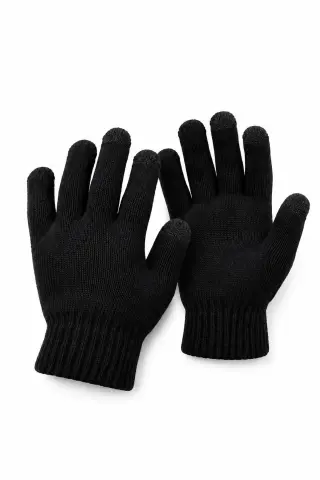
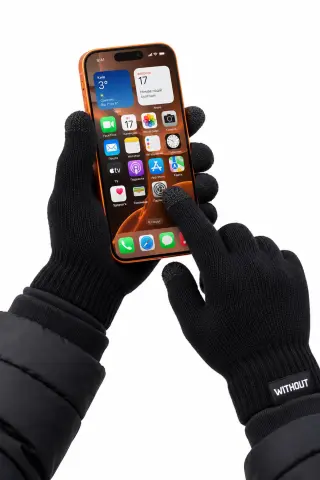
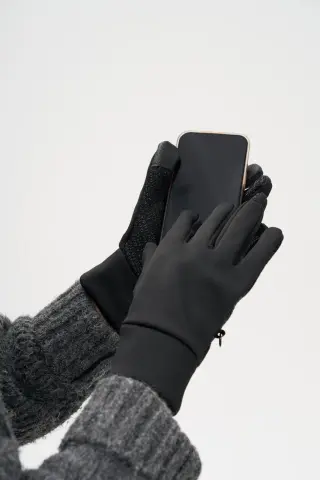
Touchscreen gloves let you answer a call or open a map without taking them off in frost. The secret is in the panels on the fingers, which carry your touch to the screen. But precision depends on the thickness of the glove and the fit, so choose by the material and by how your fingers reach the end. Compare ordinary models among all gloves and scarves.
Finger Panels
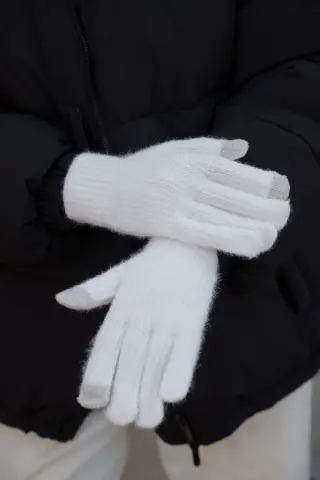
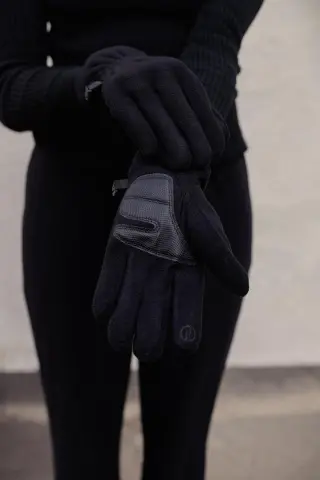
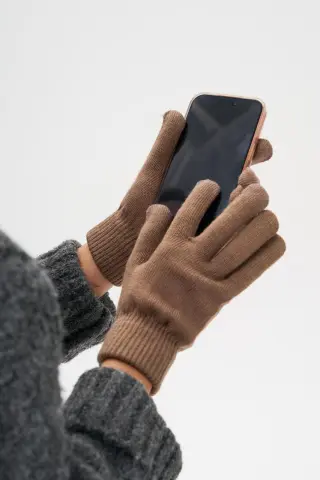
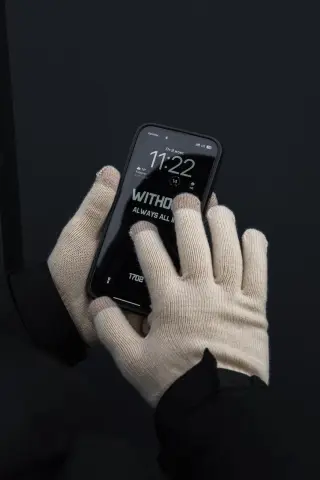
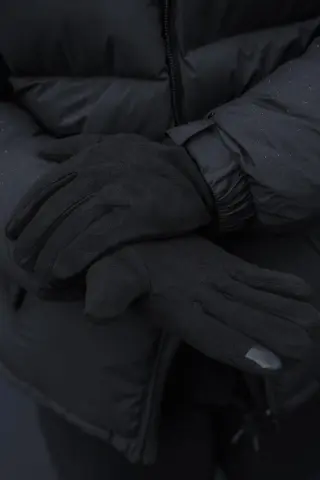
Special thread or a patch carries the touch from your skin to the screen, so the fingertip needs to sit closely against the fabric. If your finger does not reach the end, the panel stays empty and the screen responds only now and then. Check your thumb and index finger, because you touch with them most. It is better when the panel covers the whole fingertip rather than a tiny dot.
Thickness and Precision
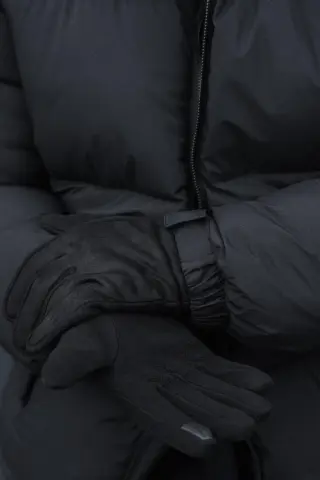
The thinner the glove, the more accurately your finger hits the right letter. A thin knit suits messages, while a down model is more for calls and changing music. If the screen often does not respond, press a little harder and keep your finger straighter. Voice input also helps when a long text is awkward to type. Do not expect the precision of a bare hand.
Which Material to Choose
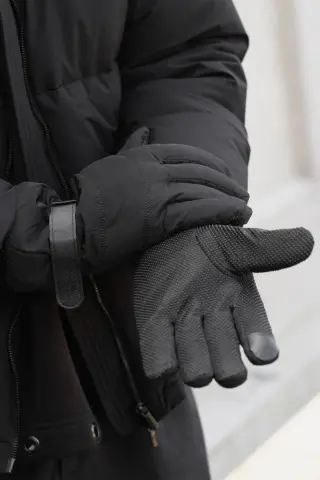
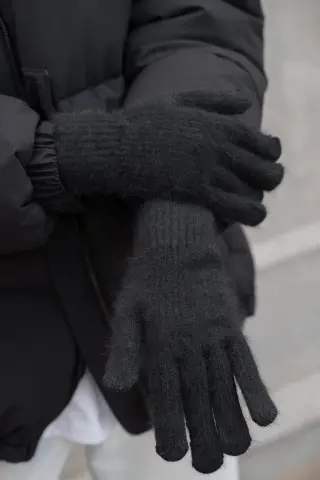
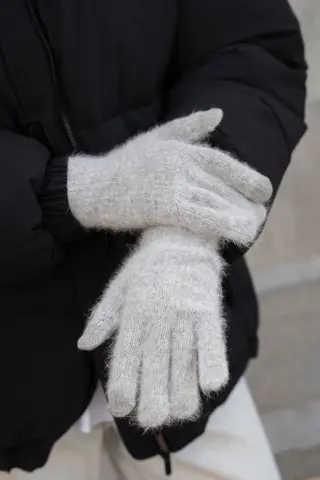
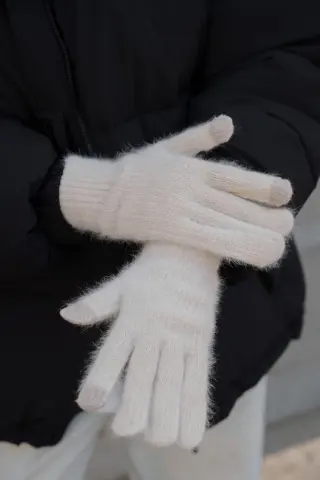
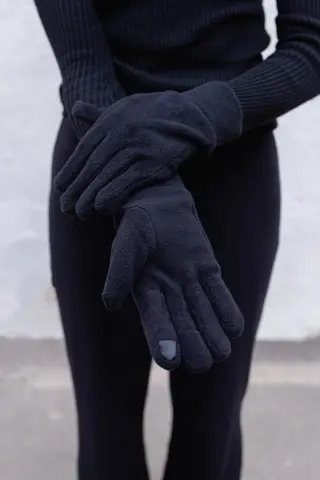
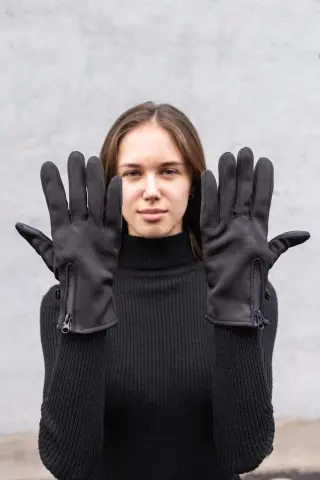
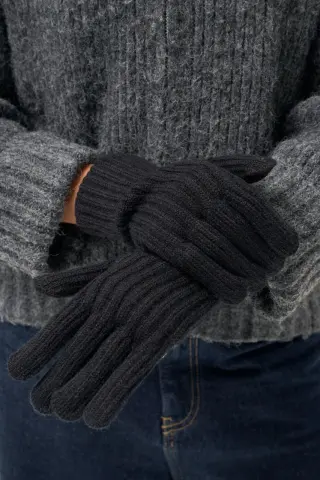
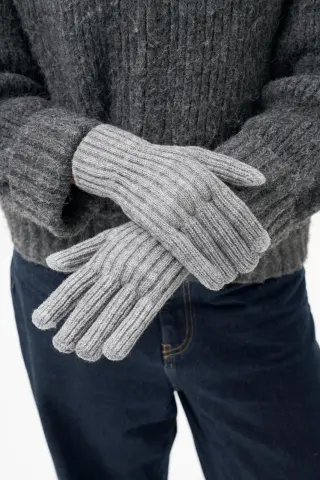
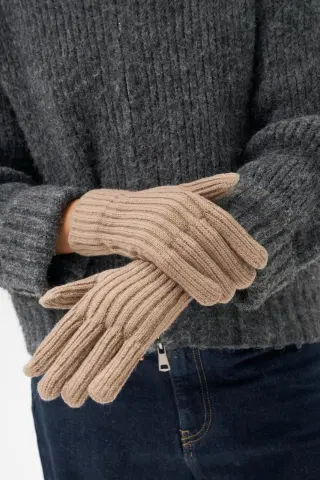
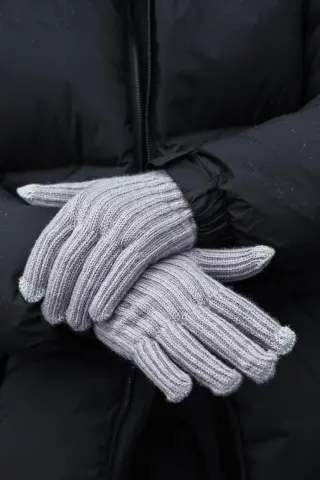
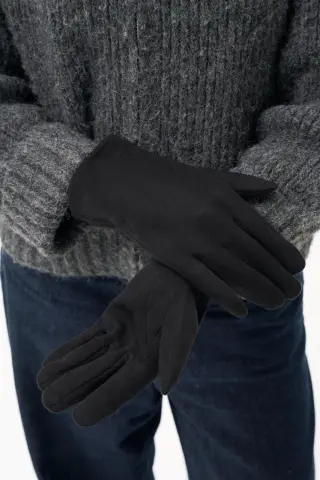
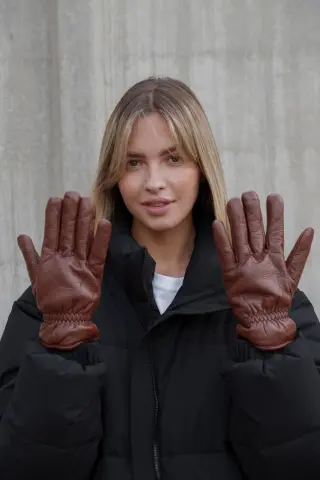
Knit touchscreen gloves are light, soft and handy in the city, while wool ones also keep you warm in slightly damp weather. Fleece gloves dry fast, so they suit active movement. Faux leather looks more restrained and wipes clean easily, and neoprene and soft shell hold back wind better. If you need strong insulation, look for a model with a warm inner layer, though precision will be lower.
How Long the Panels Last
Frequent rubbing against a screen and handrails gradually wears the conductive thread. Wash the gloves by hand in cool water, do not wring them and do not use softener, because it leaves a film on the thread. Also look after the screen: scratches and a thick protective case affect sensitivity too. Before going out, simply try the screen at home, and you will see at once whether the pair suits your phone.
Who Needs Them
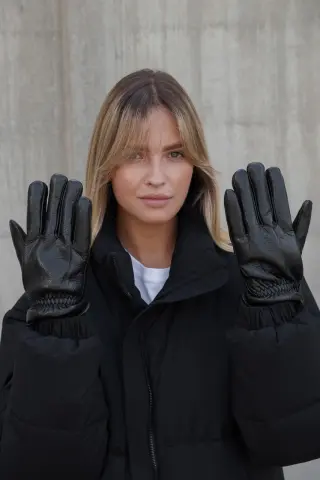
They suit those who often make calls outdoors, use navigation or pay for travel by phone. Couriers and taxi drivers do not have to remove a glove every time. For photography or fine work, fingerless gloves are better, because real precision is needed there. Panels are plenty for simple daily actions, and a black model is also handy because marks show less on it.
Frequently Asked Questions
Do they work in frost?
Yes, the thread carries the touch whatever the temperature. However, the phone itself may respond more slowly in hard frost.
Why does the screen not respond?
Most often your finger does not reach the end of the glove, or the panel is dirty. Try pressing the fabric closer to the screen and wiping it.
Can these gloves be washed?
Yes, by hand in cool water with no softener. Dry them flat, away from radiators.