Kids' Winter Hats
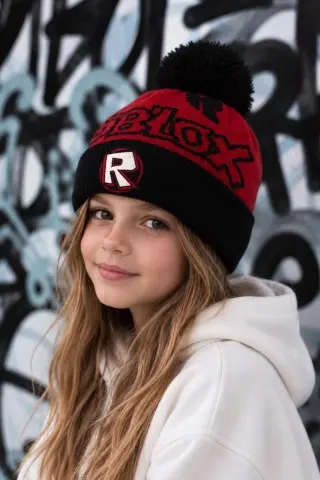

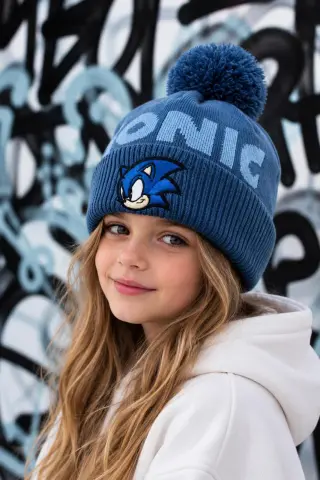
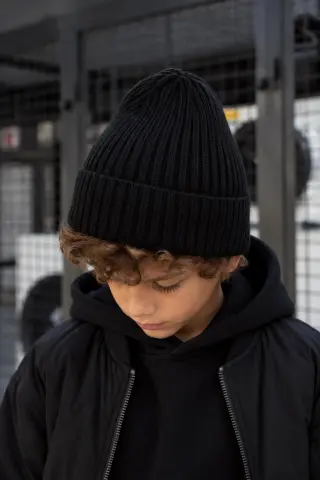
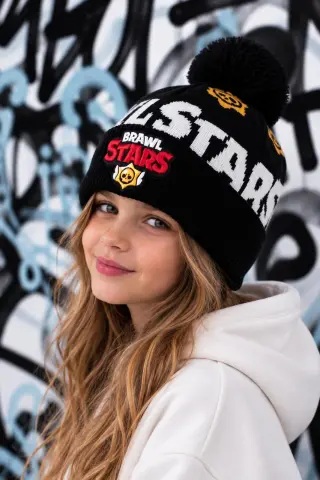
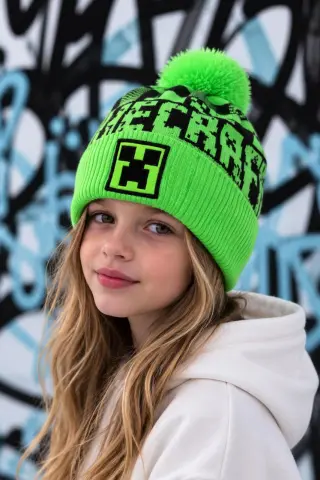
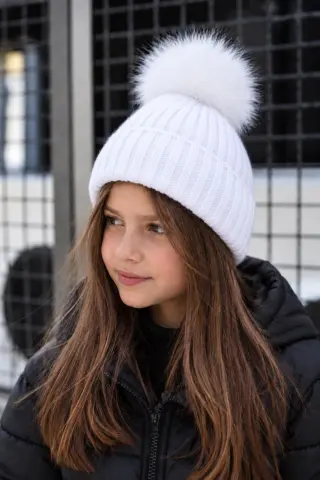
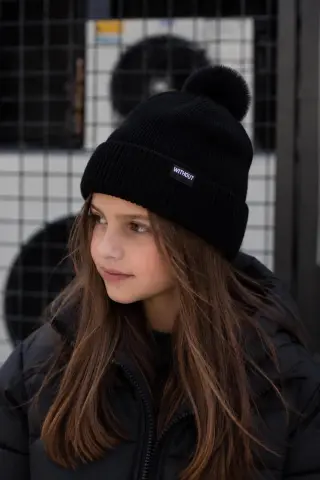
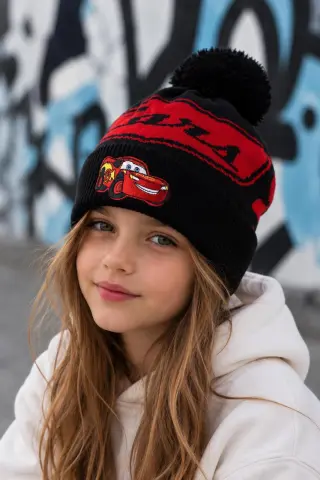

Kids' Winter Hat: Warmth That Does Not Get in the Way of Play
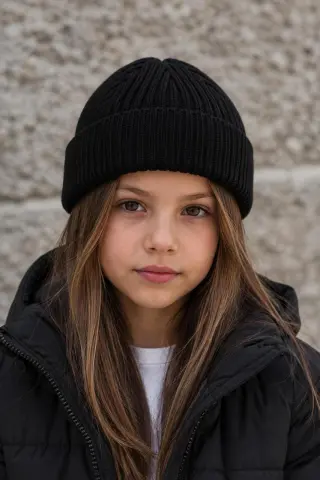
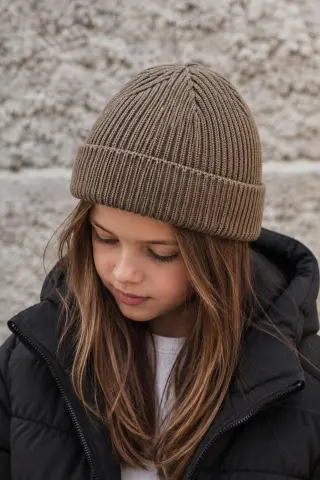
A kids' winter hat should keep your child warm at the bus stop, on the sledding hill and on the way home from school without being annoying, or it will come off the moment you look away. The fleece lining sits softly on the forehead and ears, while the knit outside stretches well and hugs the head. For milder weather, compare all kids' hats.
How to Choose by Head Size
These hats come in a universal kids' size, so go by the head, not by age. Measure around the forehead just above the eyebrows and over the widest point at the back of the head. Compare the result with the item's measurements: if the hat presses on the forehead and leaves a red line, it is too small, and if it slips over the eyes when your child runs, it is too big. The lining takes up a little room, so try on a winter hat at home rather than going by a mid-season one.
Ears, Forehead and Neck
Check on your child that the edge fully covers the earlobes and the forehead down to the brows, since these spots get cold first. A folded edge gives a double layer over the ears, while an unfolded one sits deeper, which makes it easy to adjust to the weather. A hat does not protect the neck, so in strong wind add a scarf or a neck warmer under the jacket. A hood on top helps too, but only if it does not press on the crown or block the view to the side.
Warm Without Overheating
A child on the move warms up fast, and a head damp with sweat gets colder in the wind than a dry one. So take the hat off in shops, on public transport and in class, even for a few minutes. To check whether your child is cold, touch the back of the neck: warm and dry means all is well, while damp means your child is dressed too warmly. In a thaw a winter hat is too much, and it is better to switch to mid-season hats without a lining.
Pom-Pom or Short Style
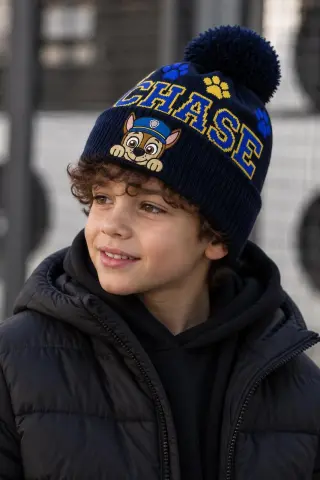
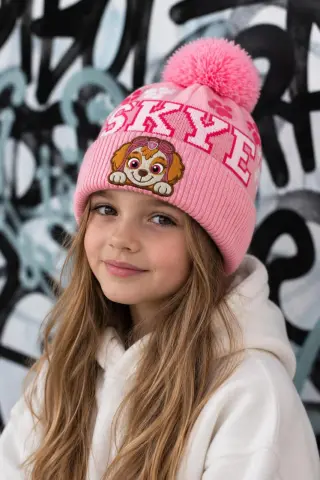
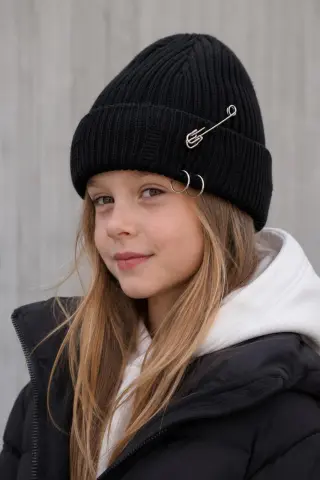
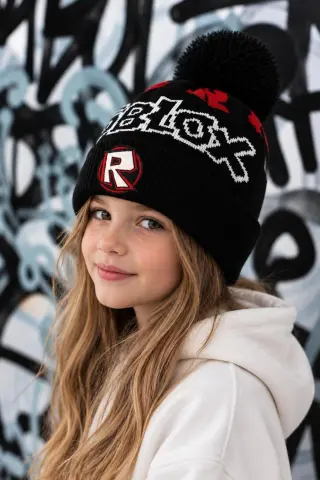
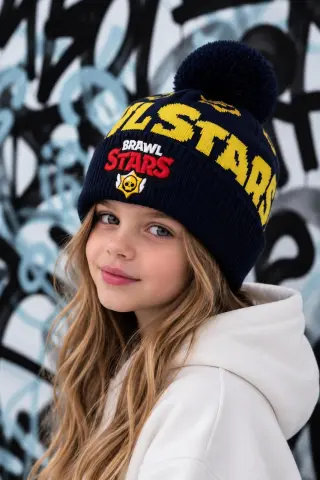
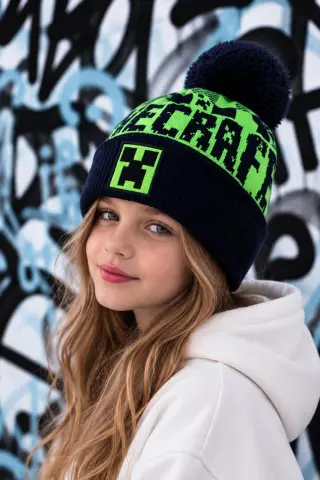
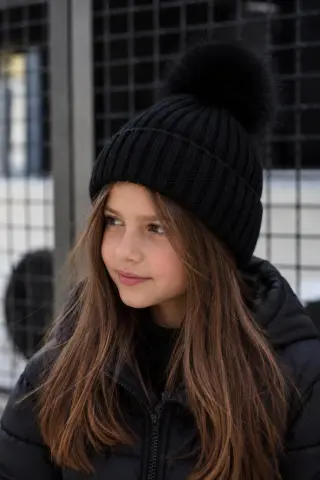
Younger children love pom-pom hats: they are fun and easy to spot on the playground. But a pom-pom gets in the way under a hood and can push the head forward in a car seat. Teens usually prefer a short docker hat, which sits higher and looks more understated. A print with a game or cartoon character often settles the argument in favor of wearing a hat, so let your child choose.
Caring for a Fleece-Lined Hat
Wash by hand in cool water, do not rub or wring, and just press out the water gently in a towel. Dry it flat away from radiators: heat makes fleece mat and the knit lose its shape.
Snow and Long Walks
After sledding or a snowball fight the knit collects snow and slowly gets wet, even if the lining is still dry. For a long walk, pack a spare hat and mittens in the backpack, and at home take wet things out of pockets right away and lay them on a drying rack rather than a radiator. Then the hat will be dry and warm in the morning instead of cold and heavy.
Frequently Asked Questions
Does a fleece-lined hat itch?
The soft lining is what touches the skin, so fleece, not knit, rests on a sensitive forehead and ears.
What if the hat is a little big?
Fold the edge deeper: the hat will sit more snugly and will not slip over the eyes. If that does not help, measure the head again.
How do I wear a hat under a hood?
Hat first, then the hood, and check that your child can turn their head freely.