Men's Down Vests
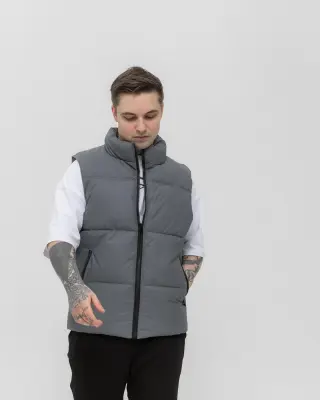
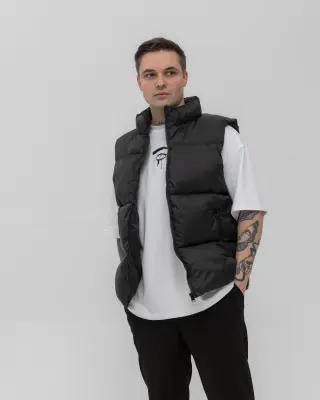
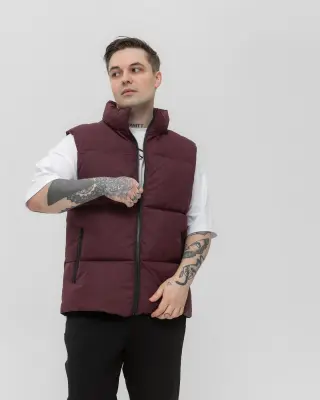
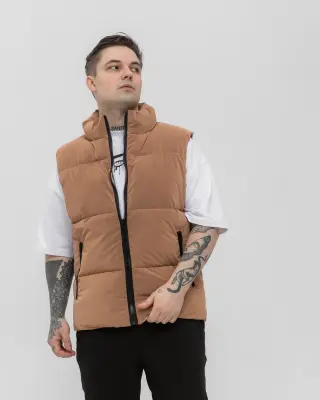
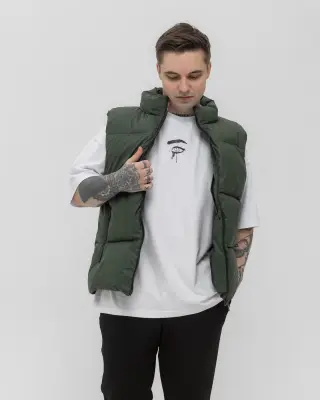
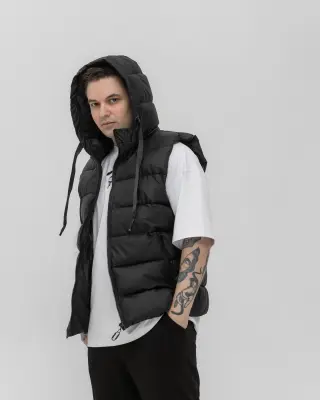

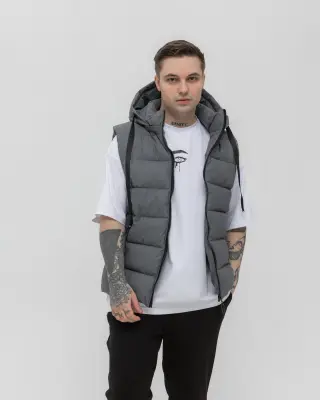

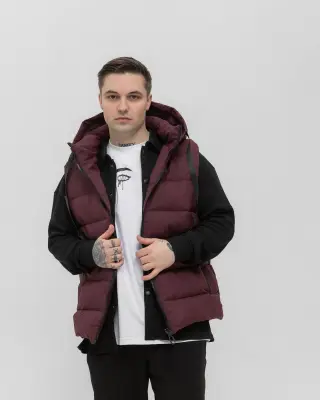


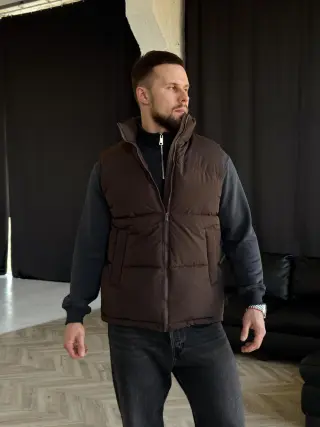
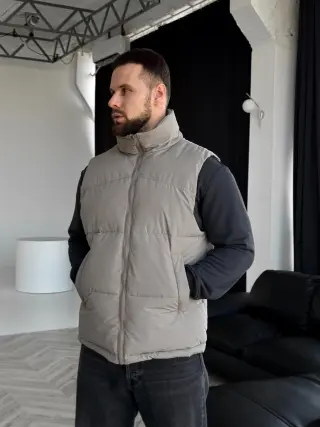


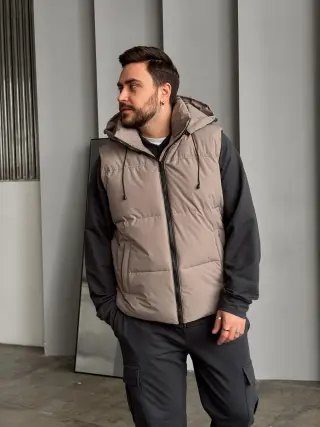
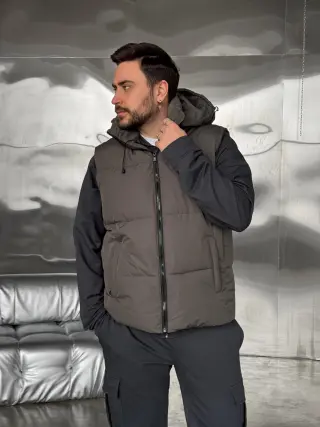
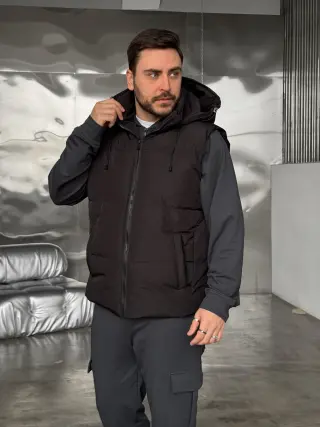








Men's Down Vest: What It Does Well and Where It Falls Short
A men's down vest weighs little, yet on a cool day it often makes a jacket unnecessary. The warmth comes from air trapped between the down clusters, so the vest stays warm while the fill is dry and lofty. To compare down with other fills, browse all men's vests.
Why Down Is Convenient
The main advantage is warmth for its weight: you barely feel it on your shoulders, even with a phone and keys in the pockets. It compresses easily, so you can pack it in a backpack and take it out when the evening turns cold. A few shakes afterwards and the sections regain their volume. It also suits driving: your torso stays warm, nothing pinches under the arms and the seat belt lies flat.
Where Down Falls Short
Wet down clumps and stops insulating until it dries. Light rain is no problem with a membrane or water-repellent shell, but in a downpour you need a rain layer on top. There is less fill along the quilting seams, so strong wind is felt there first. In freezing weather a down vest works better as a layer under a jacket or coat, and as a standalone top it suits spring, autumn and mild winter days.
How to Check the Fit
Try the vest on over the sweatshirt you will wear most often. Zip it up fully and cross your arms in front of you: the fabric should not pull across the back. The armholes need room for a thick sleeve, otherwise it bunches under the arm. A hem at hip level covers your lower back when you bend and does not get in the way when you sit in a car. If you are between two sizes, compare your chest measurement with the model's parameters: take the larger one for a sweater underneath and the smaller one for a thin layer under a jacket.
Collar, Hood and Hem
A high stand collar covers the neck and often replaces a scarf, but the closed zip should not press on your chin. A detachable hood helps if you spend long hours outdoors and dislike carrying an umbrella. An elastic toggle at the waist gathers the hem when the wind blows, and you can loosen it on a calm day. Zip pockets keep your phone safe when you bend over, and an inner pocket is handy for documents.
Which Color to Choose
A black vest is the easiest to combine and forgives small stains. A gray or graphite one looks softer and pairs easily with dark jeans. A beige one freshens up dark clothes, but you will wash it more often.
How to Wash and Store It
Close all the zips, remove the hood if there is one and wash the vest on its own on a gentle cycle in cool water. Liquid detergent rinses out of down better than powder, and softener harms the membrane. Dry it flat and knead the sections by hand several times until the fill is dry and lofty. A radiator dries out the fabric, so choose a well-ventilated spot instead. Between seasons keep the vest on a hanger in a loose cover, not in a vacuum bag where the down stays compressed for months.
Frequently Asked Questions
Is a down vest suitable for winter?
As a standalone top it works for mild winter days and short outings. In freezing weather wear it under a jacket or coat: you gain warmth with almost no extra bulk.
Why did the vest go flat after washing?
Most likely the down is still damp inside or has clumped. Finish drying it and knead the sections by hand, and the volume will return.
Can down come through the fabric?
Single clusters sometimes escape through the seams, which is normal for this fill. Do not pull them out, as that stretches the hole: carefully snip them close to the fabric.