Men's Plus-Size Cargo Pants
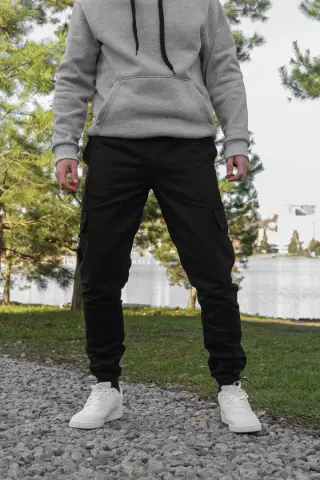
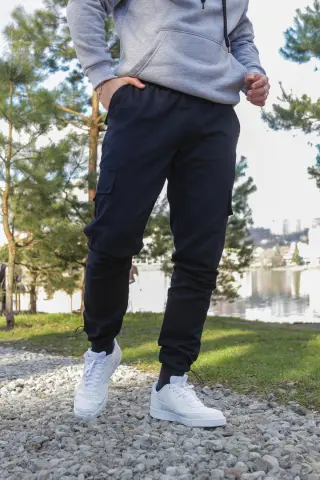
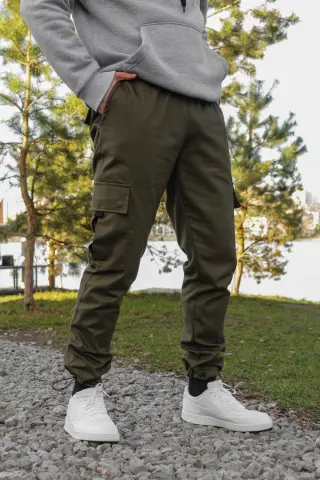
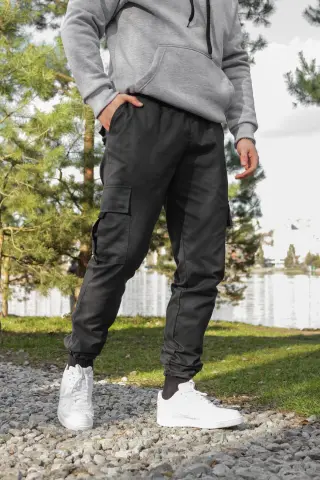
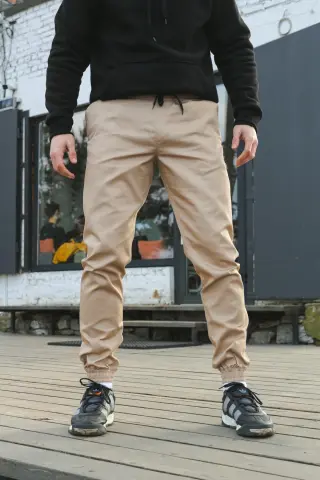
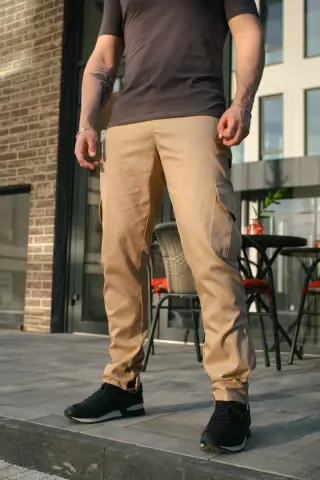
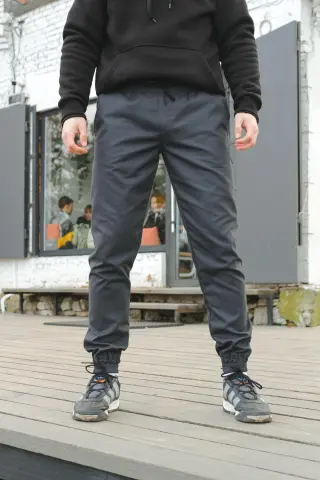
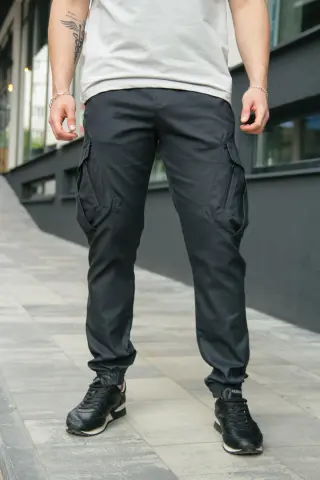

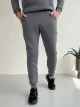
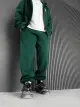





Men's Plus-Size Cargo Pants: How to Find the Right Fit
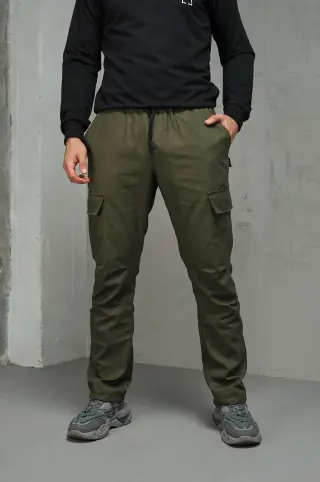
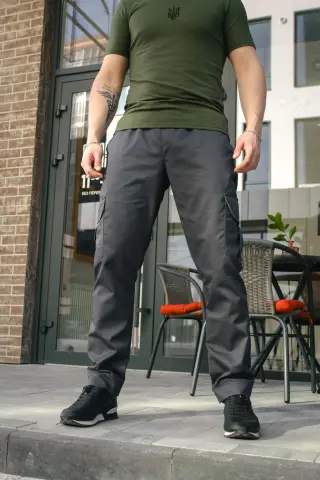
Men's plus-size cargo pants should sit freely at the thigh, not press on the stomach and not turn the pockets into extra bulk. The style itself is on your side: a roomy cut and large pockets give freedom of movement if you measure correctly. Colors and fabrics are described in more detail on the page for all men's cargo pants.
Which Measurements to Take
You need three numbers: the waist where you actually wear your pants, the hips at the widest point and the inseam from crotch to ankle. Measure with a tape over thin clothing, standing straight and without pulling in your stomach. Then compare the numbers with the style's measurements. If your hips are larger than your waist, go by the hips: an elastic waist adapts, while tight thighs cannot be fixed.
What 3XL, 4XL and 5XL Mean
The range depends on the style: some pants end at 3XL, others go up to 4XL or 5XL. The same label means different measurements at different makers, so do not rely on the size from your old pants and compare centimeters instead. In a search, big and tall means the same thing: larger sizes for a heavier build. If your measurements fall between two labels, take the larger one, because the elastic or drawcord takes up extra room at the waist.
A Waist That Does Not Press
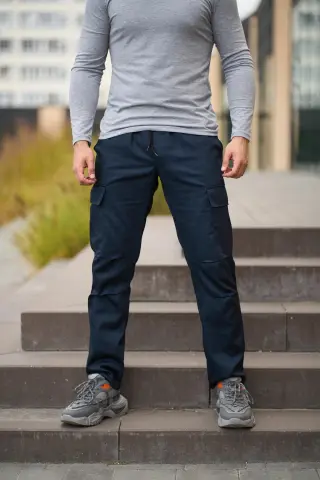
An elastic drawstring waist is most comfortable when your waistline changes during the day: no belt is needed, and the cord holds the pants up under the weight of the pockets. An elastic waist with belt loops gives you a choice, because a belt keeps the pants in place when the pockets are full. Wear the waist where it feels good to sit: below the stomach it often presses less than right at the waistline. During the fitting, sit down and check that the waist does not dig in.
Pockets and Proportions
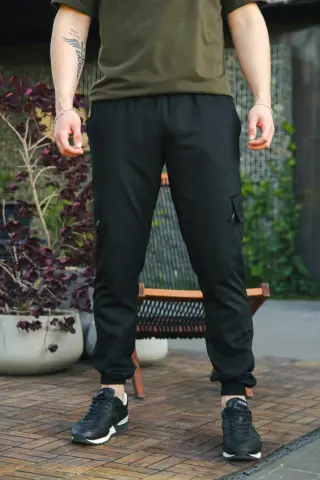
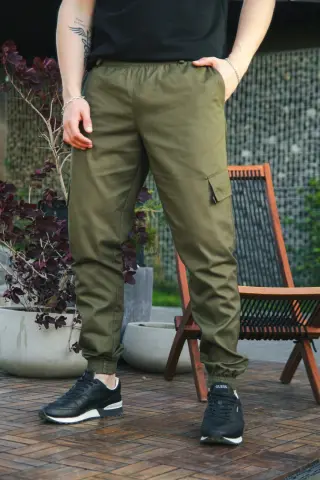
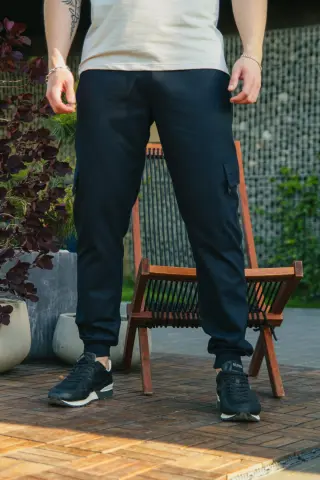
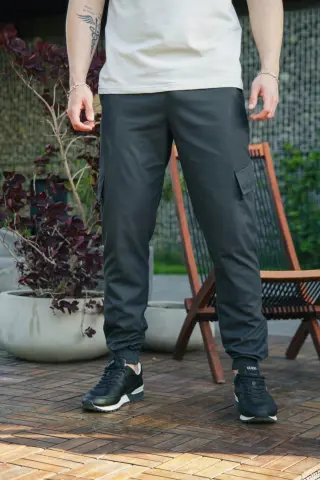
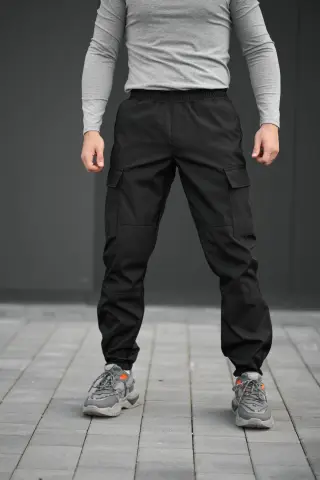
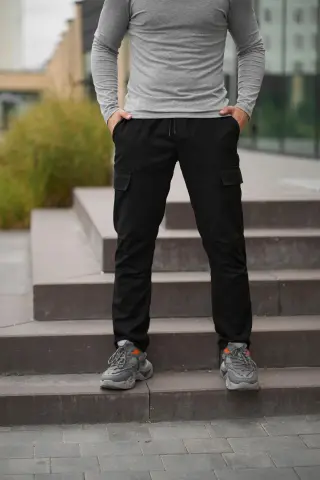
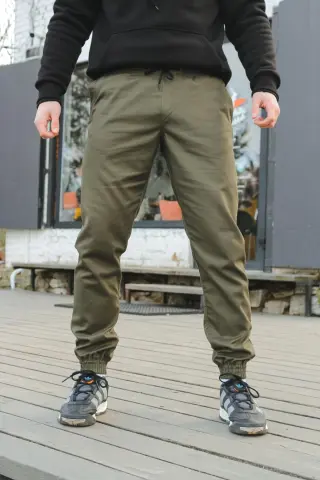
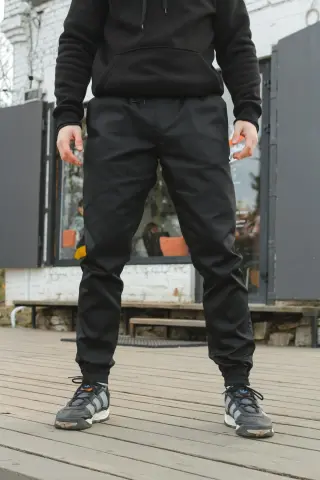
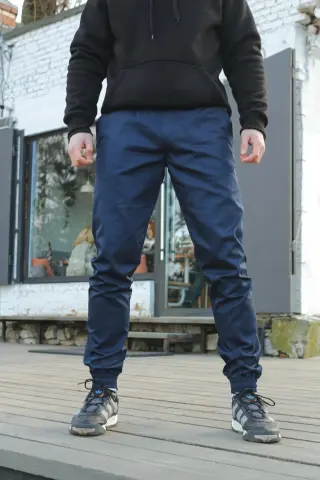
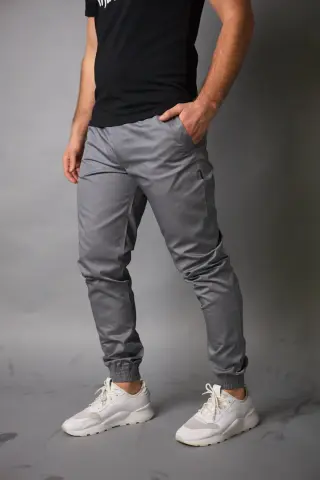
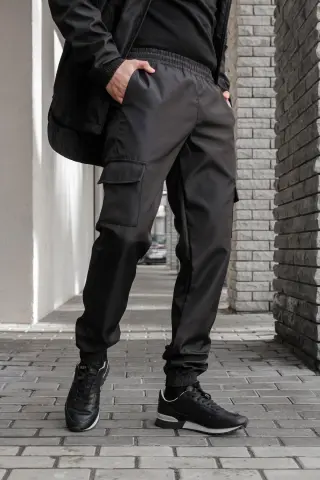
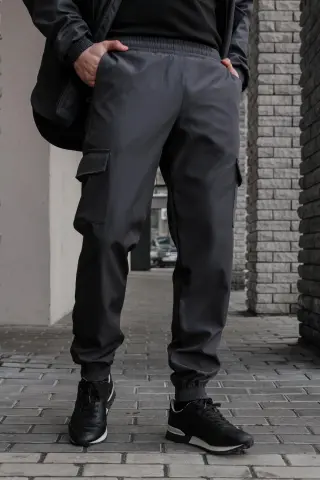
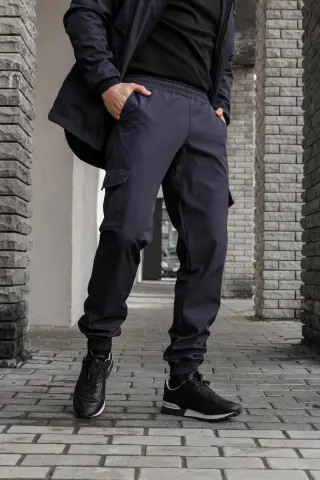
Patch pockets add width exactly where the hips are already widest. So do not keep everything in them at once, and put heavy items in the front slash pockets. A dark tone hides this bulk: black cargo pants look calmer than light ones. A straight cut draws a line from thigh to shoe and balances a wide top, while a tapered hem and cuffs on a large thigh give a sharper transition but show off your sneakers. The choice depends on whether you want to highlight your shoes or keep the silhouette even.
Fabric for a Heavier Load
On a large size the seams work harder, especially at the crotch. Stretch cotton and cotton with elastane stretch with you and take off part of the load, and a gusset eases the seams further. Dense cotton twill is strong and keeps its shape for a long time but does not stretch by itself, so it needs more room at the thigh. Knit is the softest: it feels cozy at home and on the road.
What to Wear Them With
An untucked T-shirt that covers the waist and a short jacket to the hip give a clean line. A top that is too narrow over large pockets makes the thighs look even wider, and a very long jacket hides the even line of the leg. Chunky sneakers or boots balance the leg and keep the foot from getting lost under the fabric.
Frequently Asked Questions
Should I size up?
Only if your measurements fall between two labels. Pants that are too big sag at the crotch and slide down under the weight of the pockets, and a drawcord will not fix that.
What if the legs are too long?
A tailor can easily shorten an even hem. Cuffs and a hem cord take up extra length by themselves, so these pants rarely need it.