Men's Plus-Size T-Shirts
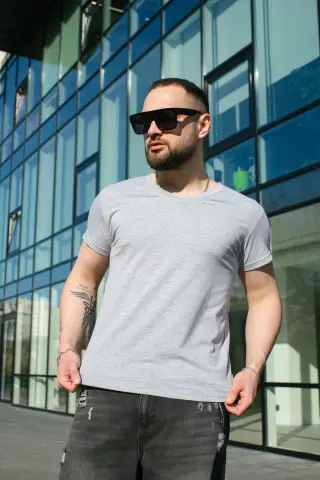
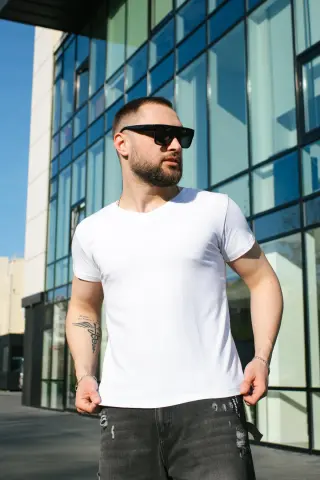
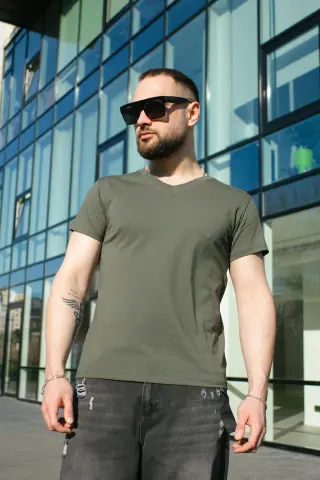
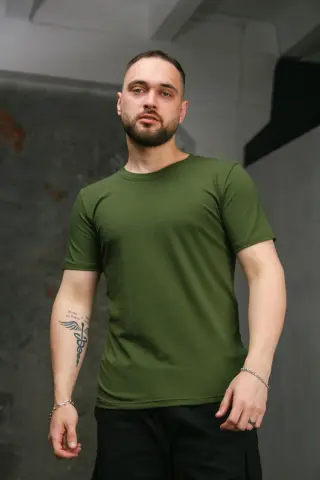
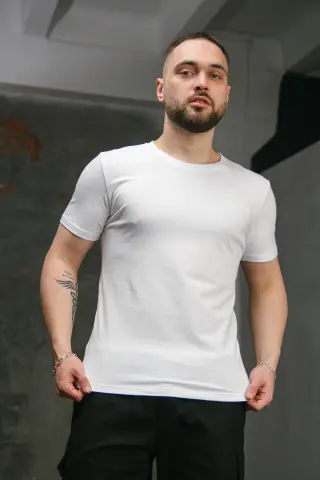
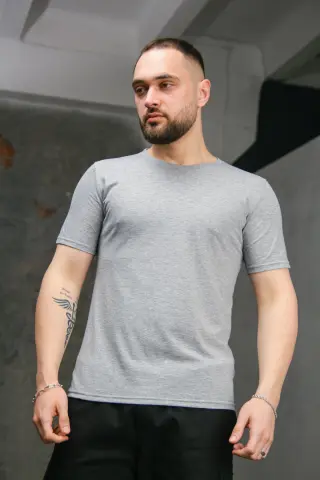
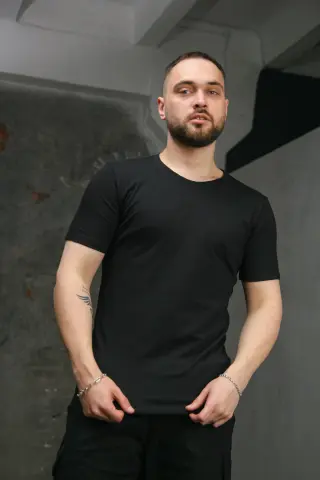
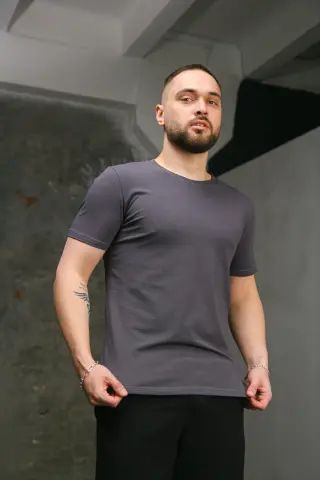
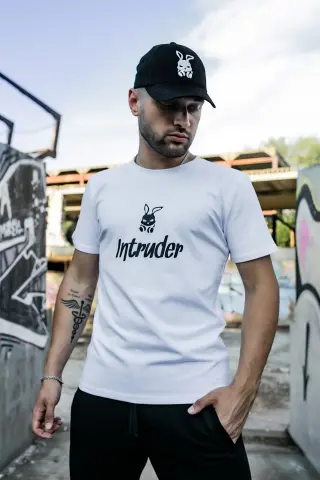
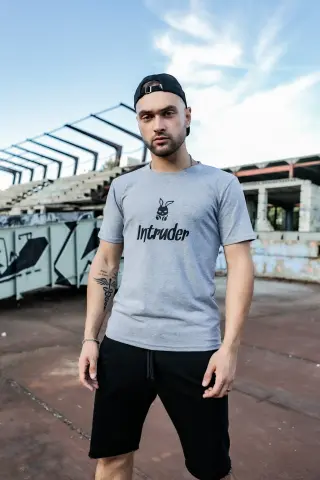
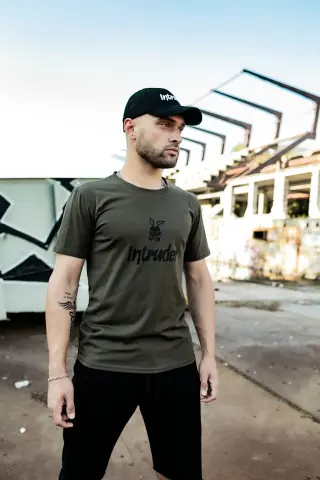

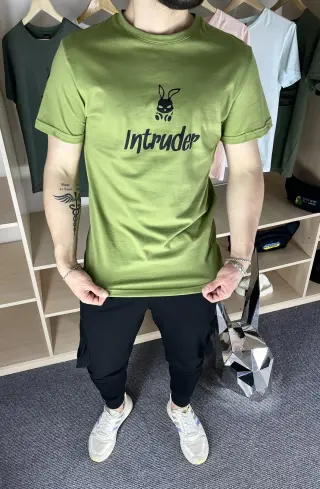
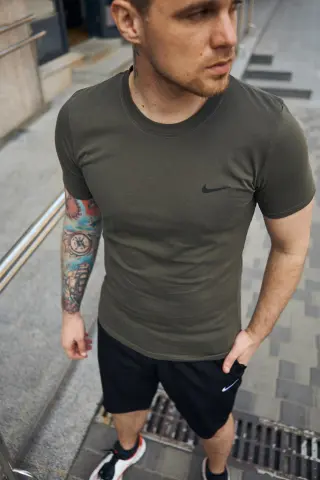
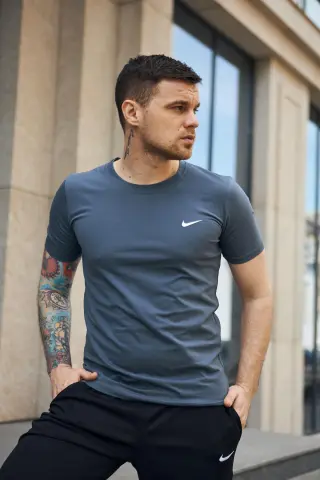

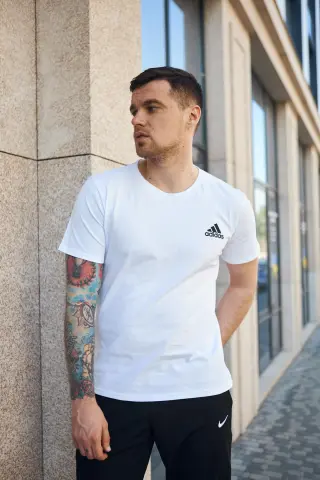
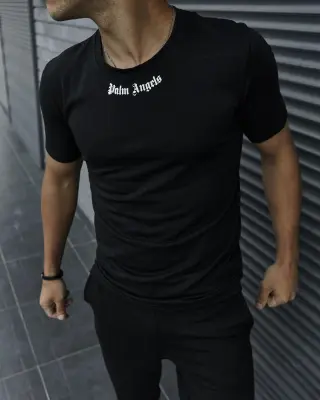

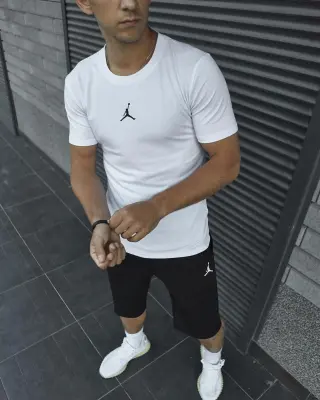


Men's Plus-Size T-Shirt: How to Get a Fit with No Extra Fabric
A men's plus-size T-shirt should fit as easily as any other: it should not hug the stomach, hang like a sack or ride up at the back when you bend over. The mistake usually happens when you buy by eye, picking one too big just in case or the same letter as last year. The size range goes up to 3XL, and general advice is on the page with all men's T-shirts.
Which Measurements to Take
You will need a measuring tape and a few minutes. Measure your chest at its widest point under the arms, and your stomach where it is largest, without pulling it in. The larger number decides the size. Measure the length along the back, from the base of the neck to where the T-shirt should end. Check the result against the model's parameters. An even more accurate way is to lay a T-shirt that fits you well on a table and measure its width under the arms and its length. This beats the letter on the label.
XL, XXL or 3XL
Sizes from different makers do not match, and an XL from one label may equal an XXL from another. So go by your measurements, not by the usual letter. If you are between two sizes, consider your build. If your shoulders are broad and your stomach is small, you can take the smaller one, because cotton jersey with 10% elastane stretches a little. If most of the volume is in the stomach, take the larger one, because that is where the fabric pulls the most. Going two sizes up for comfort is no solution either: the shoulder seam drops onto the arm and the silhouette looks heavier.
Cut and Proportions
A straight cut does not hug the stomach and leaves room in the shoulders, so it is comfortable every day. The side seams should run straight and not twist forward. The length should cover the waistband even when you sit or raise your arms, but a T-shirt that is too long visually shortens the legs. If the sleeve cuts into your arm, the garment is too small even with room around the stomach.
Color and Print
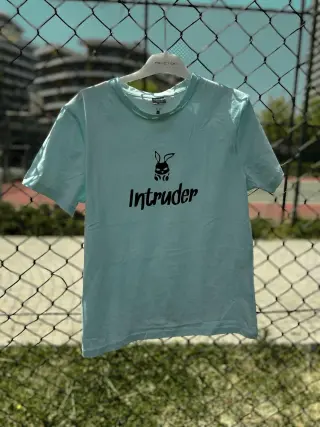
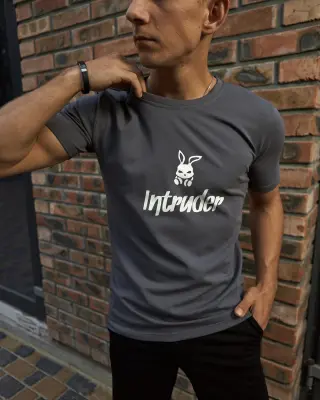
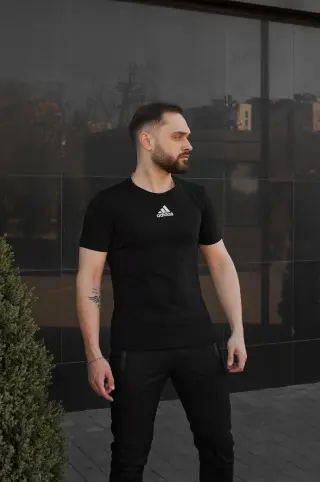
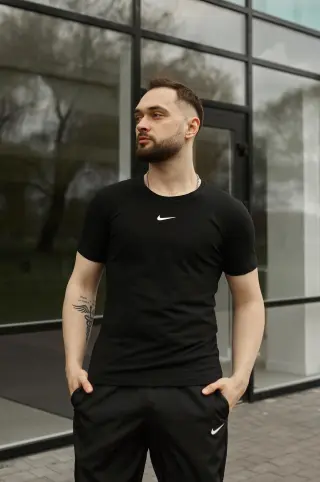
A black T-shirt and a dark gray one visually reduce volume a little and show fewer folds. Light colors make the silhouette bigger, but in the heat a white T-shirt feels nicer on the body. A large design on a rounded stomach stretches and draws attention to that area, so it is better to choose small graphics closer to the chest. A T-shirt with no print looks the calmest.
How to Wear It So It Looks Neat
An open shirt or a bomber over the T-shirt creates vertical lines that lengthen the silhouette. Straight jeans or trousers balance the top, while skinny ones make it look more massive. Wear the T-shirt untucked, because tucked in, it emphasizes the stomach unless a shirt or bomber covers it.
Care
A wet plus-size knit is heavy, so it stretches when hung by the edge with clothespins. Dry the T-shirt on a wide hanger or spread out on a rack. Wash it in cool water, because hot water can take away some of the length and leave a good fit too short. Do not leave it on a radiator, because overheating makes elastane lose its springiness.
Frequently Asked Questions
How Is a Big-and-Tall T-Shirt Different from a Large Size?
Big-and-tall models are usually made on separate patterns with more room in the stomach. A large size in a straight cut is proportionally bigger in the chest, shoulders and length, so check both chest and stomach.
How Can You Tell a T-Shirt Is Too Small?
Horizontal folds run from the chest to the sides, the sleeves cut in, and the hem rides up when you sit down. In that case you need a larger size.
Is Cotton Jersey Good for Hot Weather?
Yes. Cotton jersey with 90% cotton lets air through well, and 10% elastane helps the T-shirt keep its shape after washing.