Men's Spring and Autumn Suits
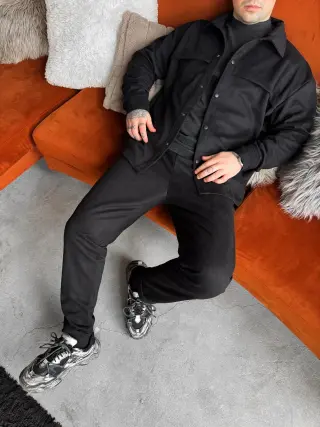
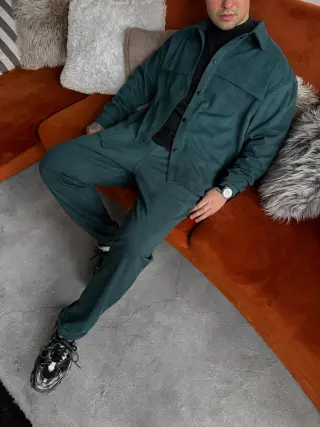

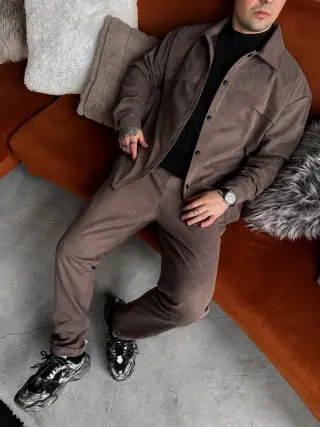
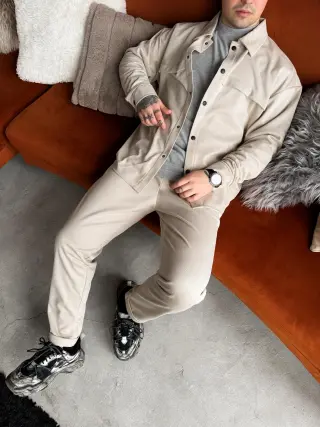

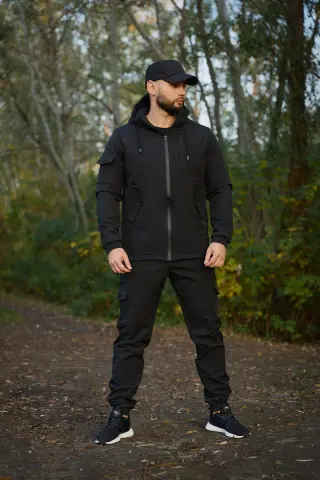
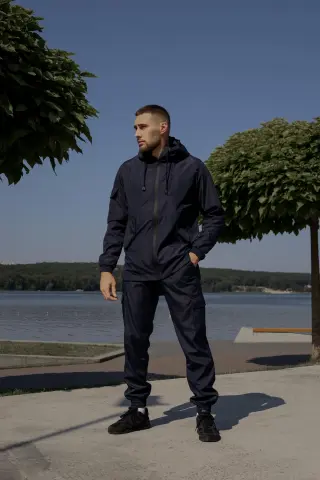
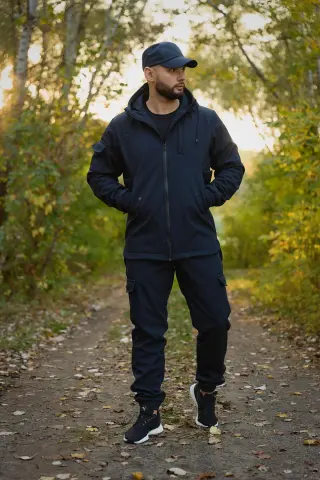
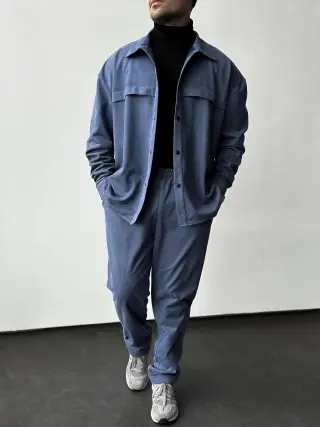
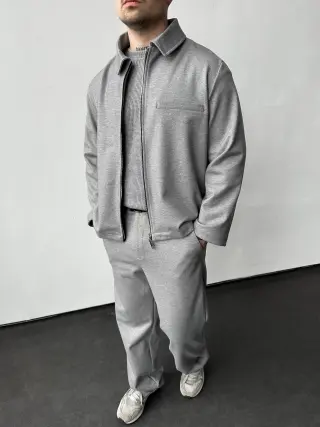
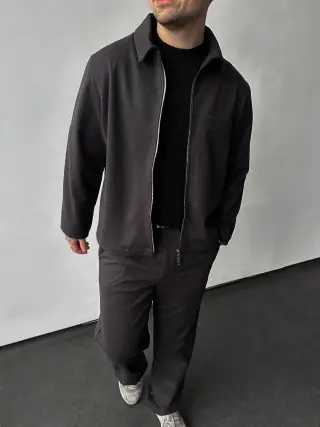
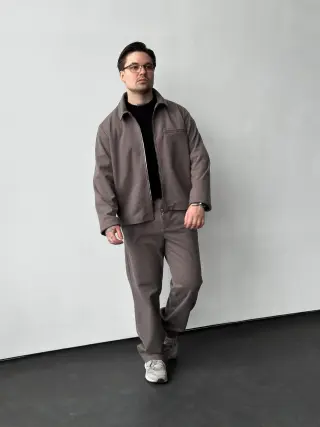
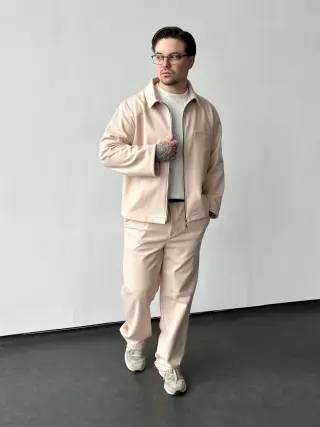
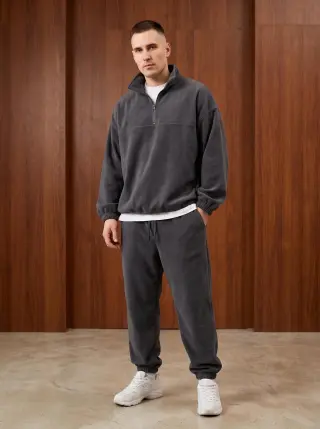
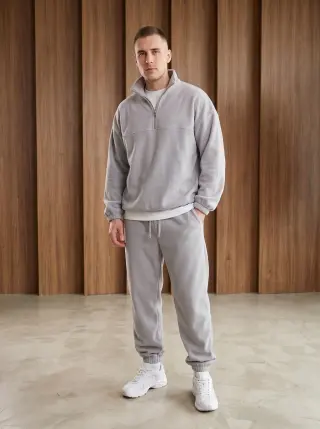



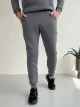

Men's suit for spring and autumn
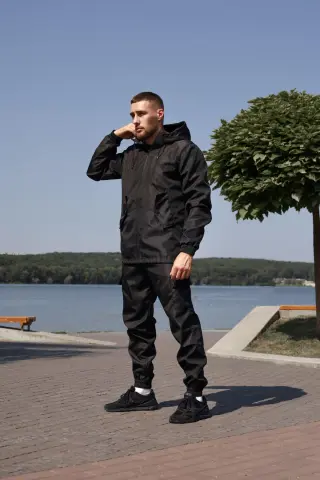
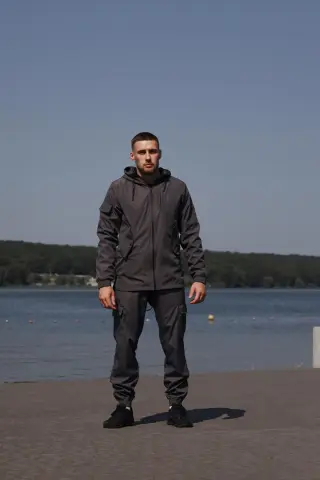
A men's spring and autumn suit is a set of trousers and a top made from the same fabric or in the same colour palette, suitable for most everyday situations: commuting to work, walks, trips out of town. This is not a classic business suit with a blazer, but a comfortable everyday set. Start your choice with two questions: what kind of top is missing from your wardrobe, and in what weather will you wear the suit most often.
Which top to choose to go with the trousers
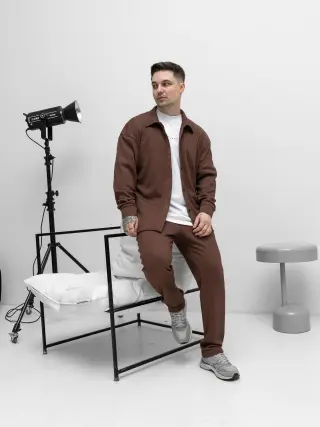
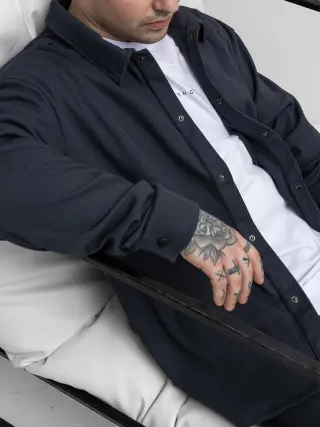
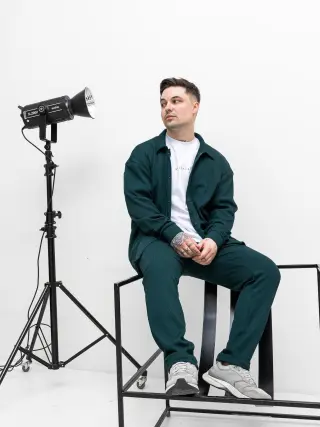
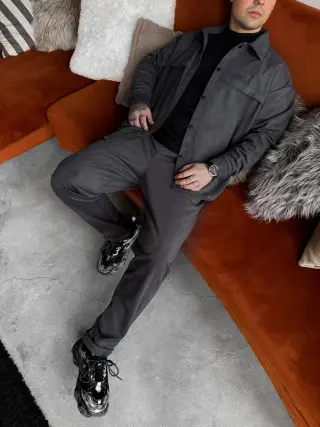
A shirt makes a men's suit look neater: the stand collar or regular collar holds its shape, so the set is appropriate both in an office with a relaxed dress code and at a meeting. A zip-up jacket is handy when you have to take the top off and put it on several times a day. A sweatshirt and a long-sleeve top are a calm base for the city; the long-sleeve top is thinner and is easy to wear under a jacket.
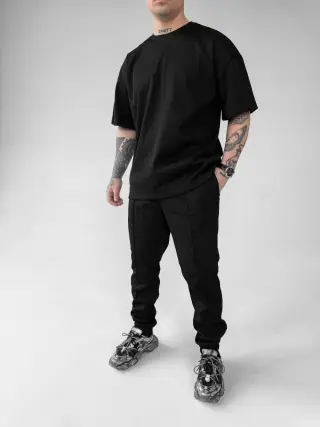
A set with a T-shirt is the lightest: in spring it is worn as a standalone outfit, and on cool days it is topped with a zip-up or a jacket. Prints with logos of well-known brands on such sets are replicas, not original products, so evaluate the fabric and the cut first of all.
Which fabric for which weather
Two-thread knit is a thin, dense jersey for warm spring and early autumn. Lacoste pique has a textured weave with small cells, lets air through well and does not cling to the body. Dense three-thread looped fabric, or French terry, is warmer: the loops on the reverse side retain heat, so it is worn on cool days.
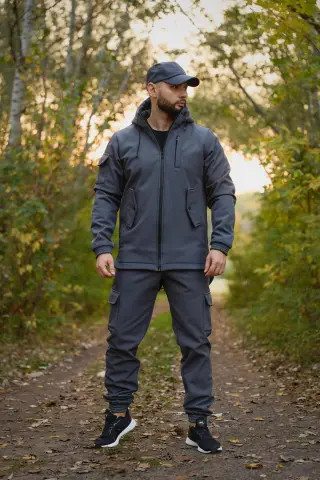
Suede-cotton is a cotton fabric with a soft nap similar to suede; sets with a shirt made from it look more expensive than knitted ones. A men's fleece suit is the warmest of the lightweight options and will come in handy on a cold morning, at the dacha or at home. Soft shell protects against wind and drizzle, so a set with a jacket made from this fabric is chosen for active leisure.
How a two-piece suit should fit
A men's two-piece suit should not be tight in the shoulders and armpits: raise your arms — the top should not ride up above the waist. Trousers with an elastic waistband should stay up without a tightly drawn drawstring, and the hem should rest on your shoes in a light fold. If you plan to wear a zip-up over the top, take a size with some room to spare.
The parts of the suit can be worn separately: the trousers with a sweater or a denim jacket, the shirt with jeans. Plain black, grey and beige models are the easiest to combine. Sneakers and canvas shoes go well with knitwear, and with suede-cotton also Chelsea boots; for outerwear — a bomber, windbreaker, short coat or parka.
How to wash and care
Before washing, turn the items inside out and fasten the zips — this way the outer side and the print wear less. Wash knitwear and suede-cotton on a delicate cycle in cool water, dry them laid flat and not on a radiator so that the fabric does not shrink. Do not wash soft shell with fabric softener: it reduces moisture protection.
For warm days, summer suits are suitable, and for cold weather — winter sets with insulation. You will find other models among men's suits and sets, and several items at once in 3–6-in-1 sets.
Frequently asked questions
Does a two-thread knit suit shrink after washing?
With proper care it does not noticeably shrink. Most often the fabric gets smaller from hot water and drying on a radiator or in a tumble dryer. Wash gently and dry on a flat surface.
Which colour of men's suit is the most practical?
Black and graphite: dirt shows less on them, and they go with any footwear. Light grey and beige look fresher but need more frequent washing. A warm option for autumn: a brown suit.
Can a spring and autumn suit be worn under a jacket?
Yes, that is exactly how it is worn in late autumn. For this it is more convenient to choose a long-sleeve top or a sweatshirt without a bulky hood so that the top does not bunch up under the jacket.